Groundcover
Popcorn Drift
Yellow/cream · repeat-blooming · Zones 4-11
Bicolor and striped roses carry two or more colors in one flower. They include blends that shift as the bloom ages, petals with a contrasting reverse, sharply edged "picotee" flowers, and roses striped like peppermint candy.
Striped roses are very old. Rosa Mundi, a pink-and-white striped gallica, has been grown since at least the 1500s. Stripes were rare in modern roses until the 1970s, when the breeder Ralph Moore worked the trait into miniatures with Stars 'n' Stripes. Nearly all modern striped roses descend from that work. See Ralph Moore.
In many of these roses, sunlight intensifies the red pigment. Double Delight grown in strong sun is mostly red; in cool, cloudy weather, it stays nearly cream. Temperature, the age of the flower, and the season all change the balance, so the same plant looks different in June and in October.
A multicolored rose draws the eye. Use it as a single accent and surround it with plain colors drawn from the flower itself. Several different bicolors planted together tend to compete.
Striped and multicolored roses sometimes throw a branch with plain flowers, a change called reversion. Cut such branches out at the base to keep the plant true.
Yellow/cream · repeat-blooming · Zones 4-11
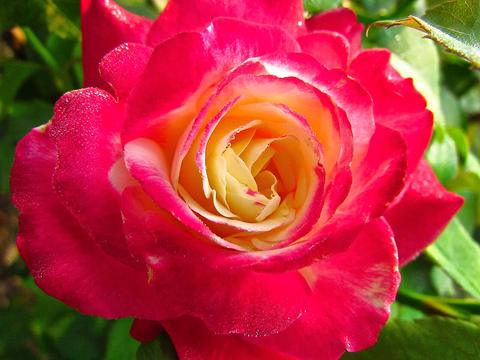
Cream/red · repeat-blooming · Zones 5-9
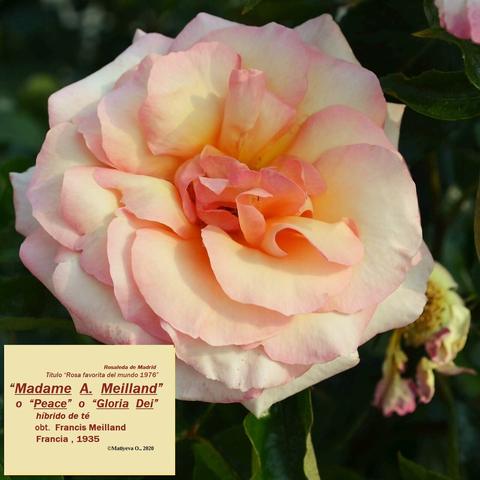
Yellow/pink · repeat-blooming · Zones 5-9
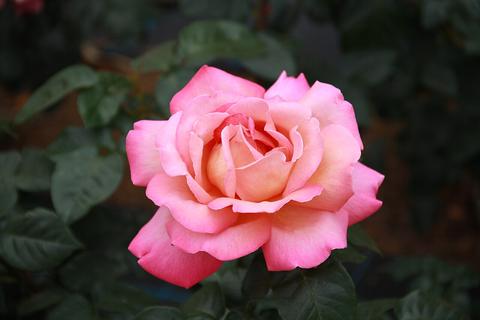
Pink/yellow · repeat-blooming · Zones 5-9
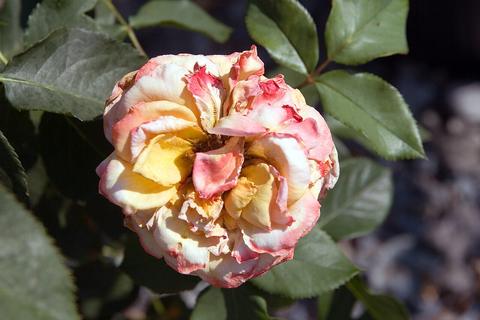
Apricot/pink · repeat-blooming · Zones 5-9
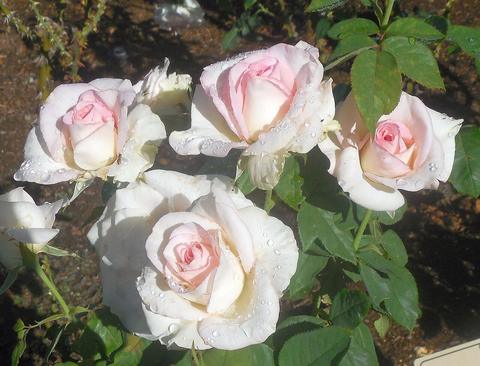
Pink/cream · repeat-blooming · Zones 5-9
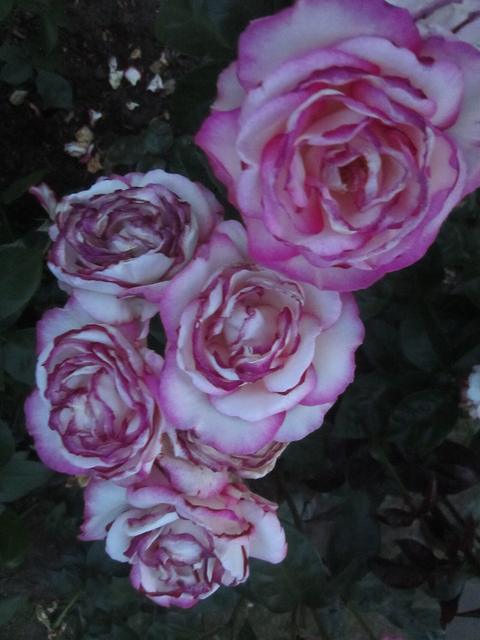
White/pink · repeat-blooming · Zones 5-9
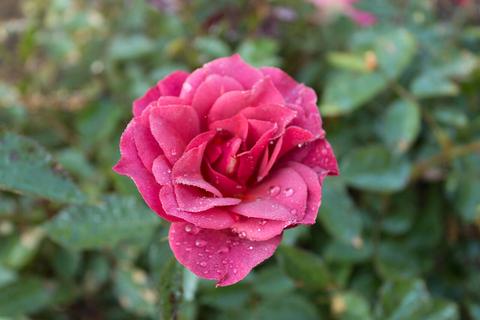
Rusty red/lavender · repeat-blooming · Zones 5-9
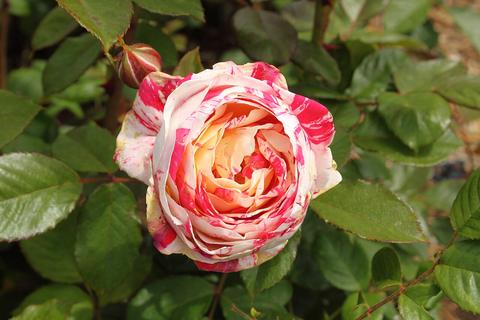
Burgundy/white striped · repeat-blooming · Zones 5-9
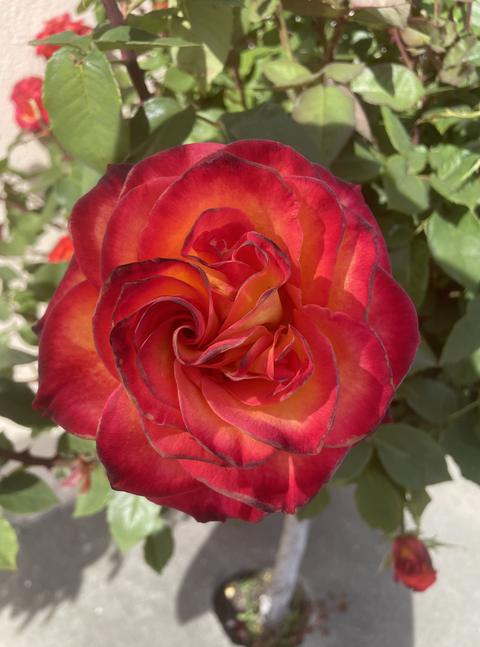
Red/yellow · repeat-blooming · Zones 5-9
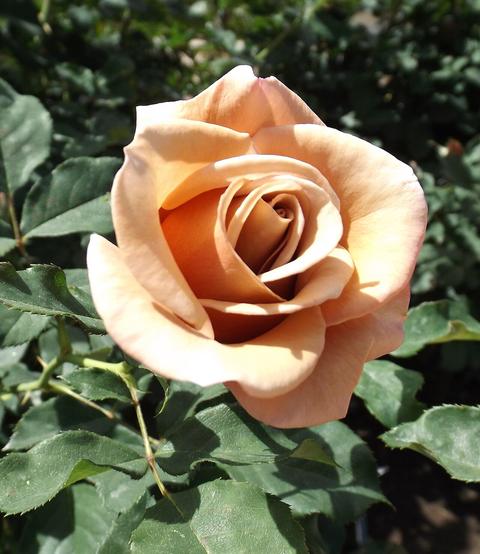
Mocha/lavender · repeat-blooming · Zones 5-9
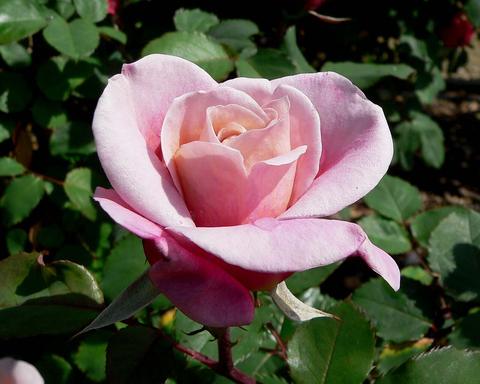
Mauve/tan · repeat-blooming · Zones 4-9
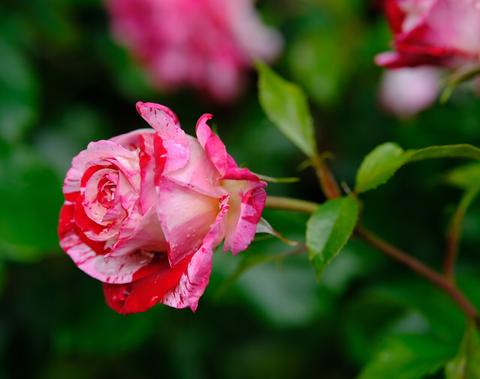
Red/white striped · repeat-blooming · Zones 5-9
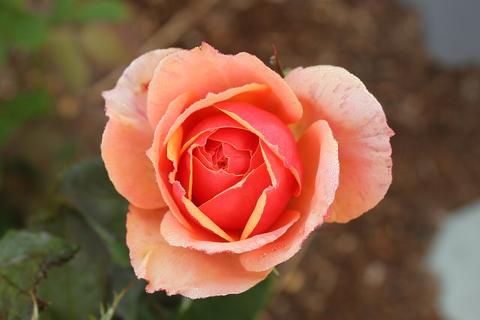
Orange/bronze · repeat-blooming · Zones 6-9
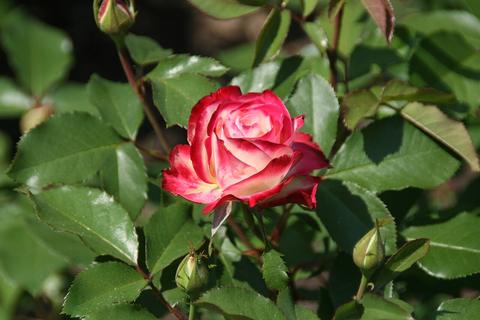
Red/white · repeat-blooming · Zones 5-9
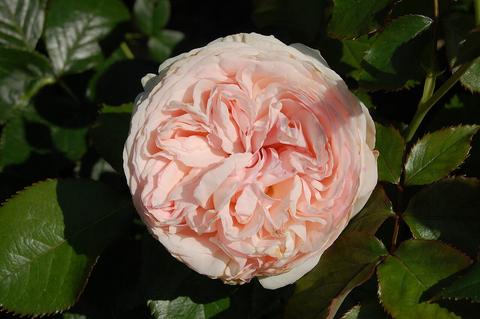
Pink/cream · repeat-blooming · Zones 5-9
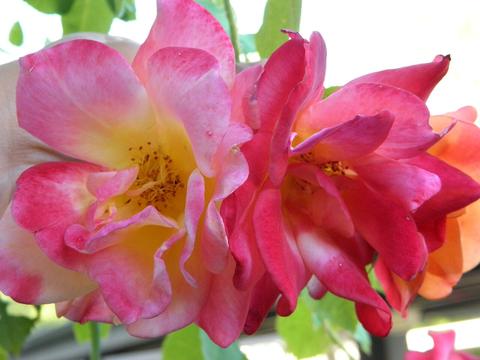
Multicolor · repeat-blooming · Zones 5-9
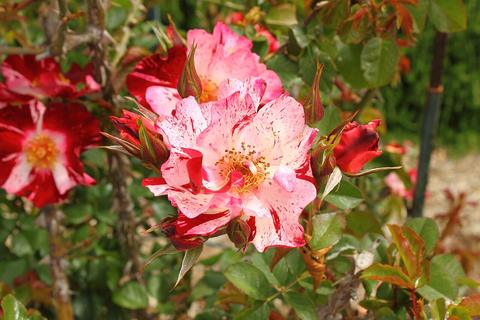
Red/white striped · repeat-blooming · Zones 5-9
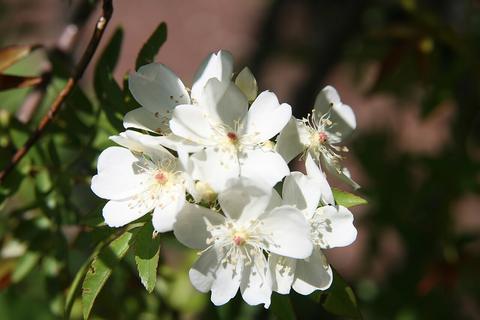
Yellow/white · once-blooming · Zones 6-9

Pink/white · once-blooming · Zones 5-9
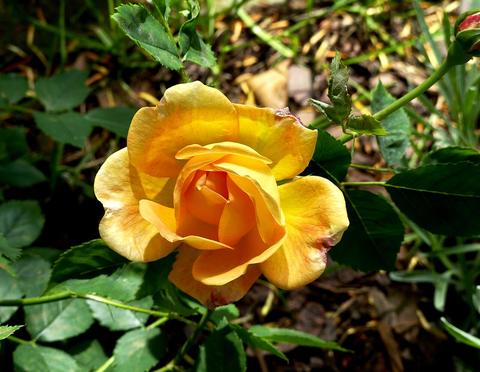
Orange/apricot · repeat-blooming · Zones 4-11
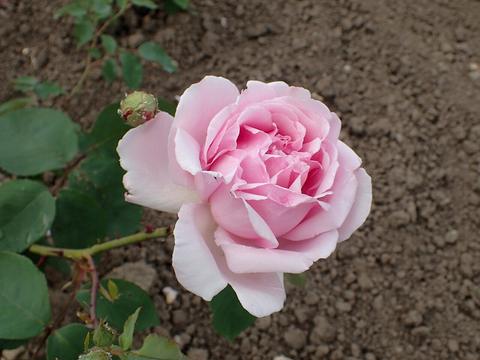
White/blush · repeat-blooming · Zones 4-11
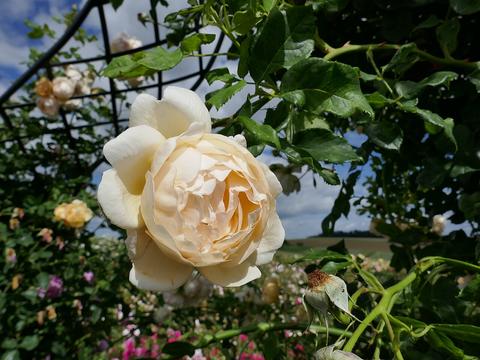
Apricot/cream · repeat-blooming · Zones 5-11
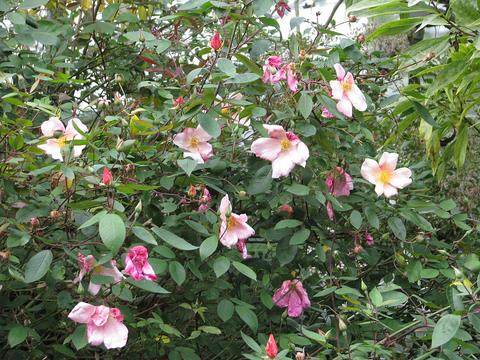
Multicolor · repeat-blooming · Zones 6-9
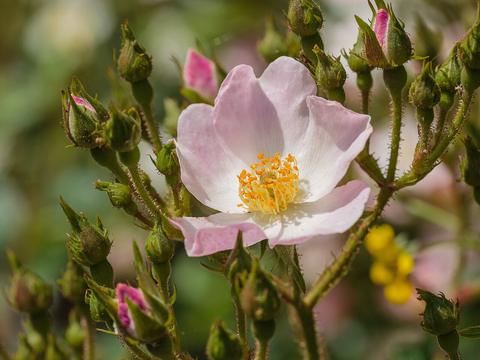
Pink/white · repeat-blooming · Zones 5-9
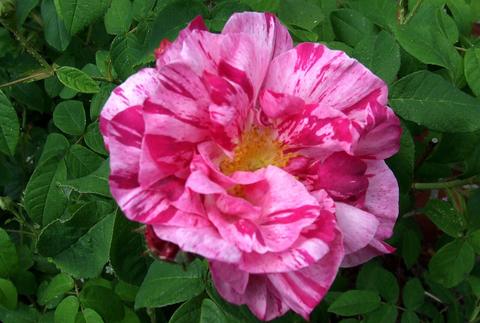
Pink/white striped · once-blooming · Zones 4-8
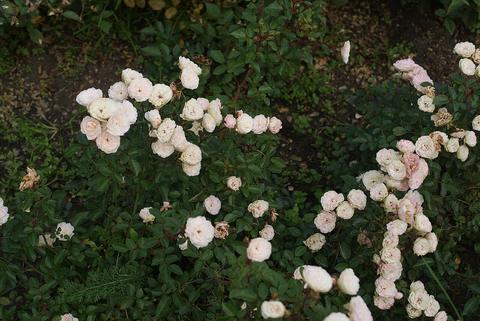
White/green · repeat-blooming · Zones 5-9
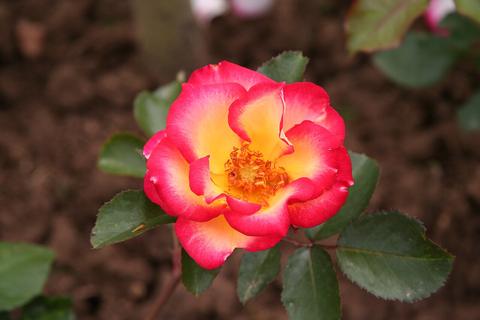
Yellow/red · repeat-blooming · Zones 5-9
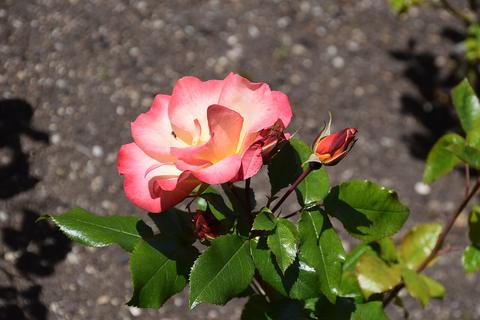
Orange/red · repeat-blooming · Zones 5-9
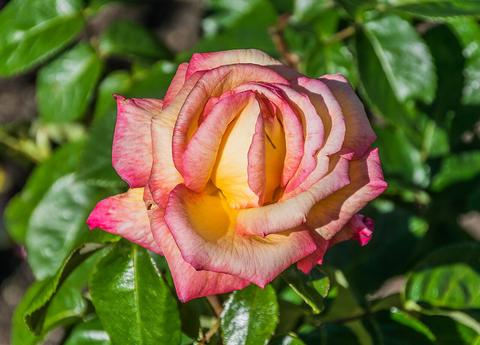
Yellow/red · repeat-blooming · Zones 5-9
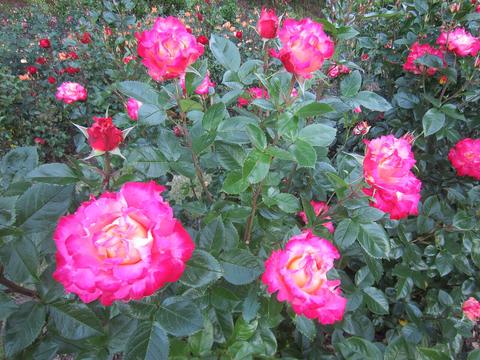
Cream/red · repeat-blooming · Zones 6-9
Apricot/yellow · repeat-blooming · Zones 5-9
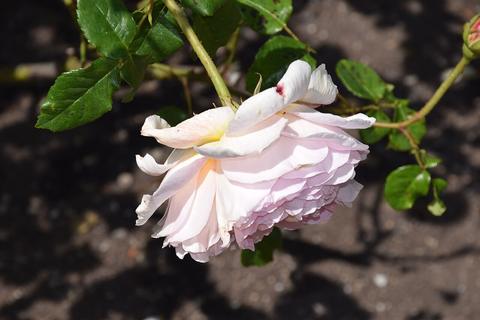
Apricot/pink · repeat-blooming · Zones 5-11
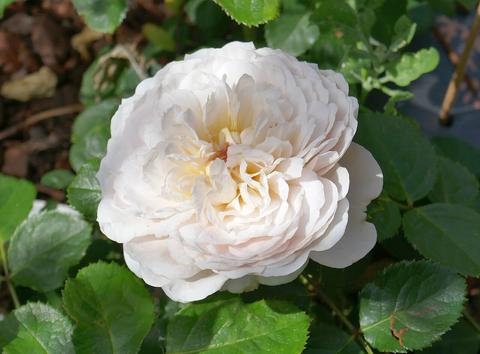
Pink/apricot · repeat-blooming · Zones 5-11
Yellow/red · repeat-blooming · Zones 5-9
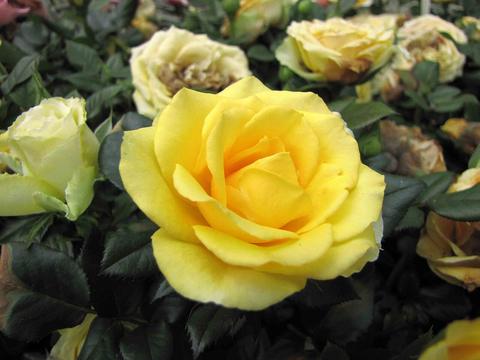
Yellow/red · repeat-blooming · Zones 5-9
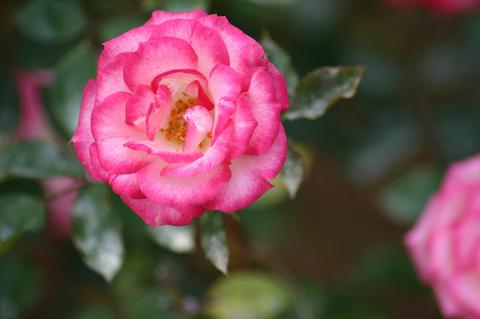
White/red · repeat-blooming · Zones 5-9
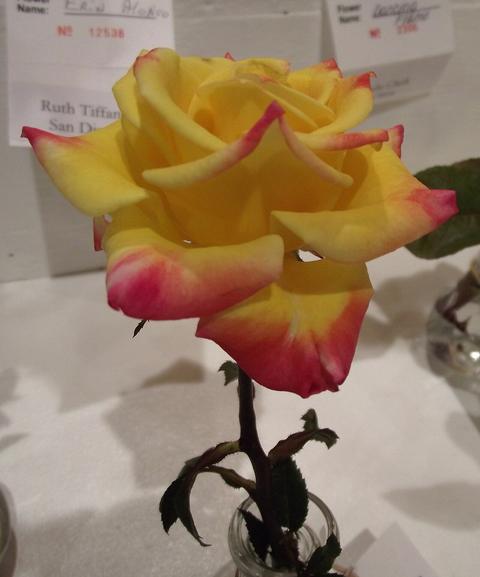
Yellow/pink · repeat-blooming · Zones 5-9
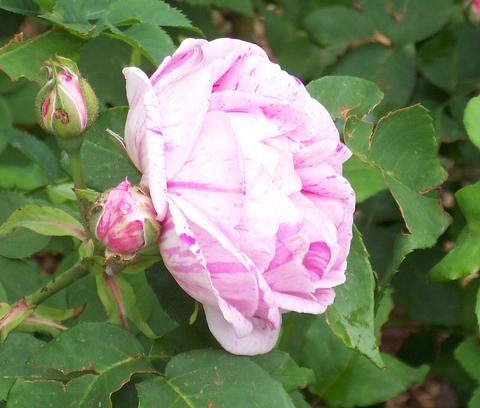
Pink/striped · repeat-blooming · Zones 5-9
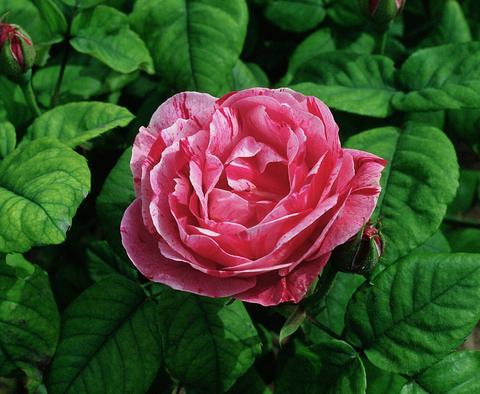
Pink/striped · repeat-blooming · Zones 5-9
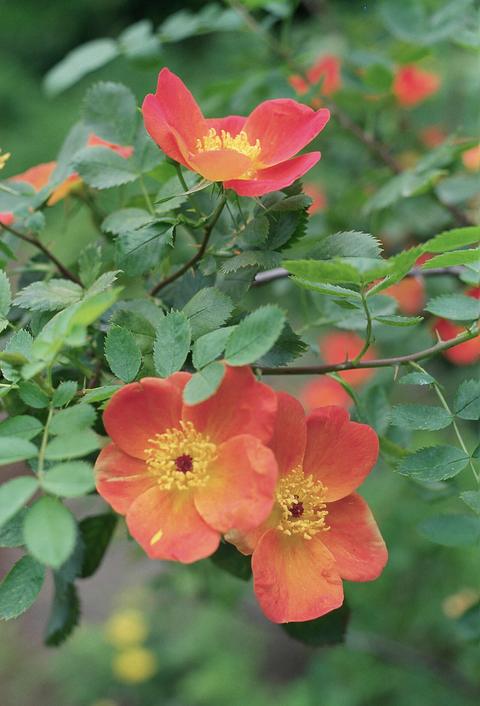
Orange/yellow · once-blooming · Zones 4-9
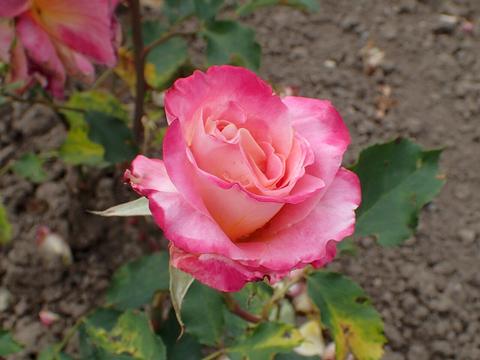
Yellow/red · repeat-blooming · Zones 6-9
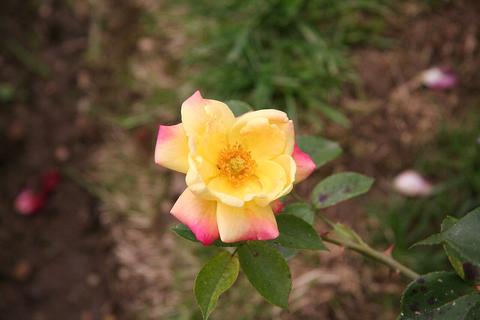
Yellow/red · repeat-blooming · Zones 5-9
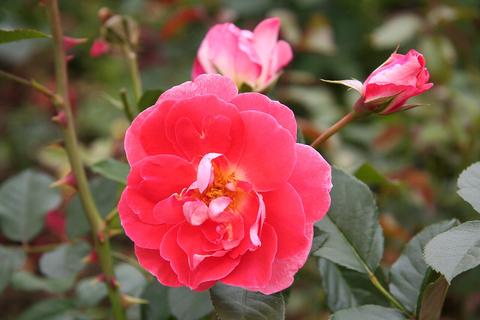
Orange/red · repeat-blooming · Zones 5-9
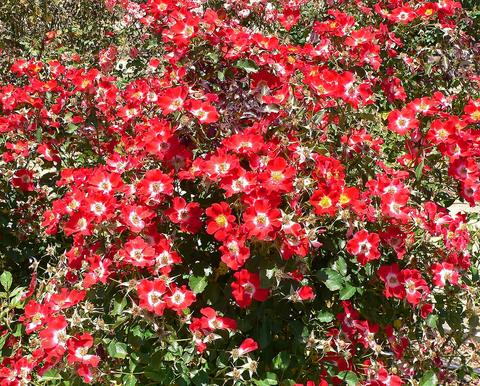
Red/white · repeat-blooming · Zones 5-9
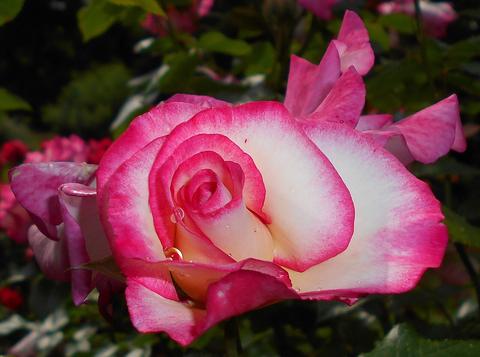
Cream/pink · repeat-blooming · Zones 5-9
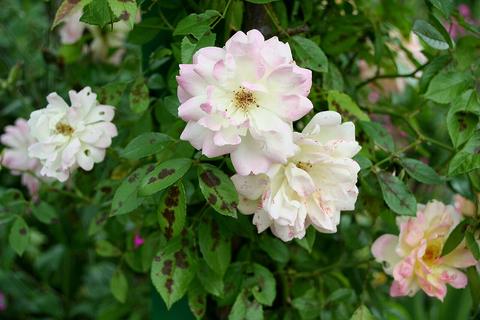
Yellow/pink · repeat-blooming · Zones 5-9
Orange/yellow · repeat-blooming · Zones 5-9
Red/pink · repeat-blooming · Zones 6-10
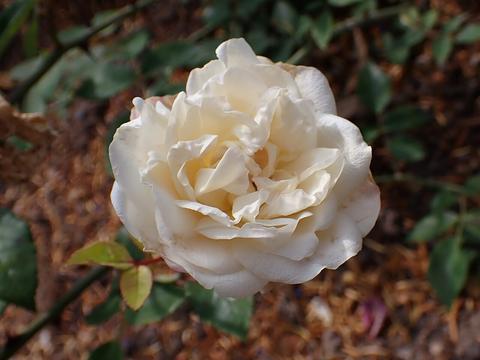
Yellow/pink · repeat-blooming · Zones 7-10
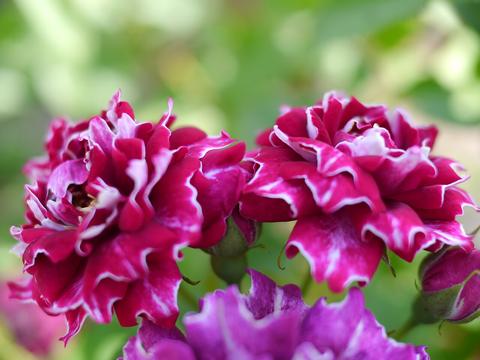
Red/white · repeat-blooming · Zones 5-9
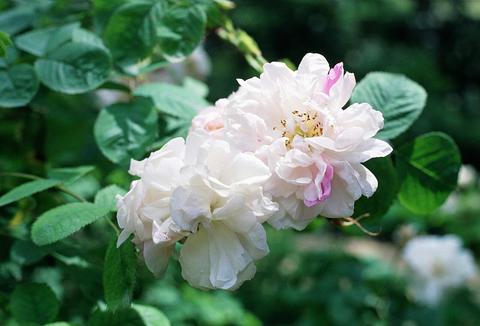
Pink/white · once-blooming · Zones 4-8
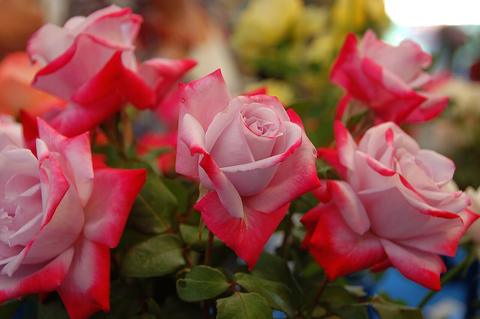
Lavender/pink · repeat-blooming · Zones 6-9
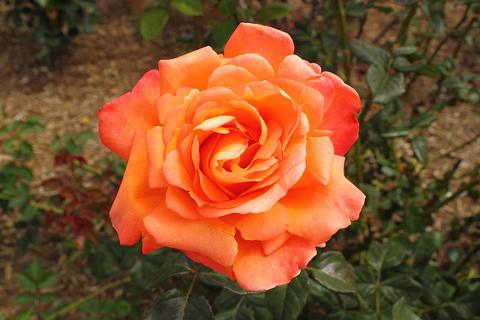
Orange/yellow · repeat-blooming · Zones 6-9
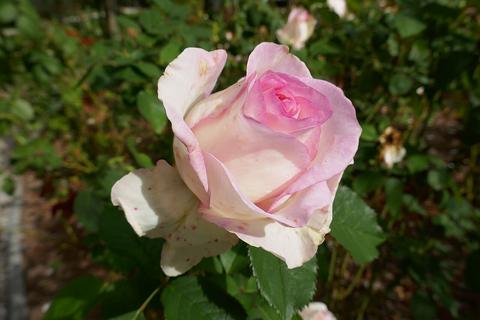
White/pink · repeat-blooming · Zones 5-9
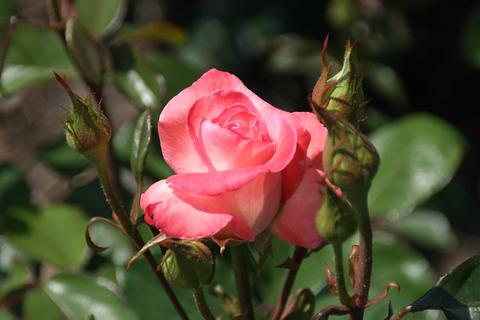
Cream/coral pink · repeat-blooming · Zones 5-9
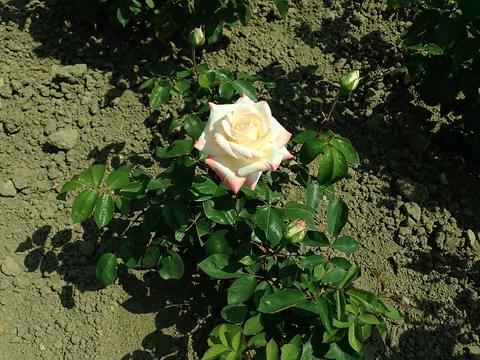
White/pink · repeat-blooming · Zones 5-9
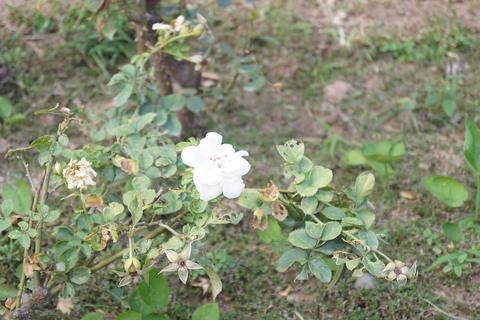
White/pink · repeat-blooming · Zones 6-9
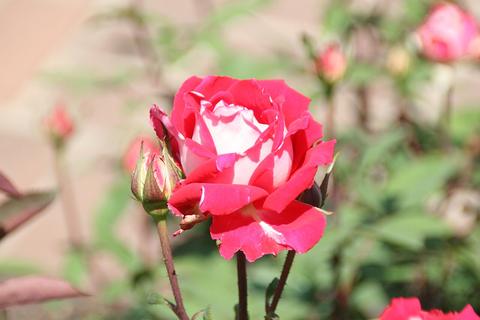
Red/white · repeat-blooming · Zones 5-9
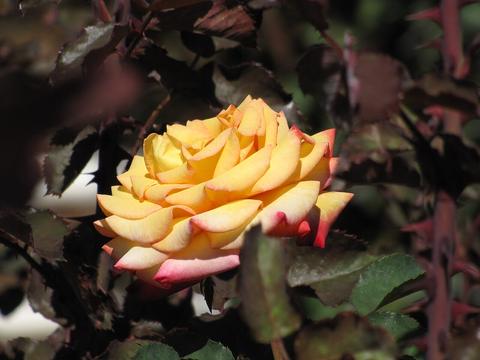
Yellow/red · repeat-blooming · Zones 5-9
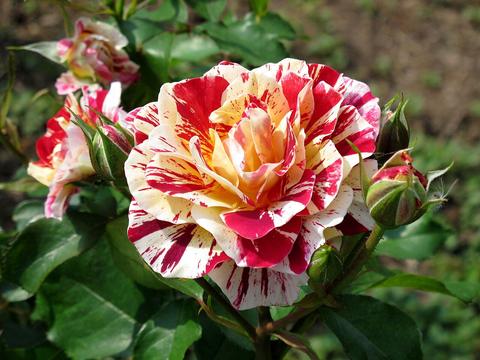
Yellow/red striped · repeat-blooming · Zones 5-9
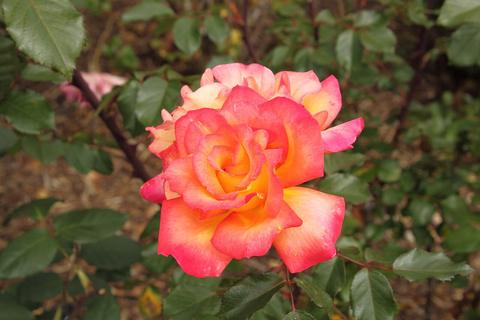
Yellow/pink multicolor · repeat-blooming · Zones 5-9
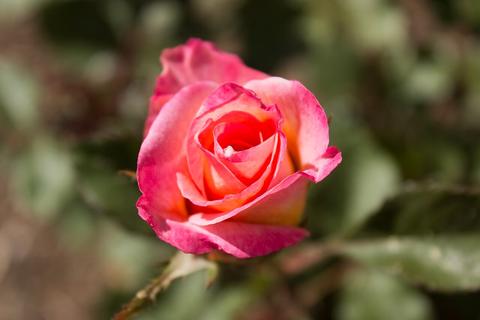
Pink/orange/yellow · repeat-blooming · Zones 5-9
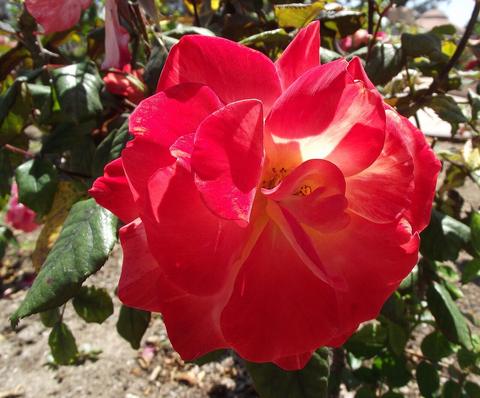
Yellow/orange/red · repeat-blooming · Zones 5-9
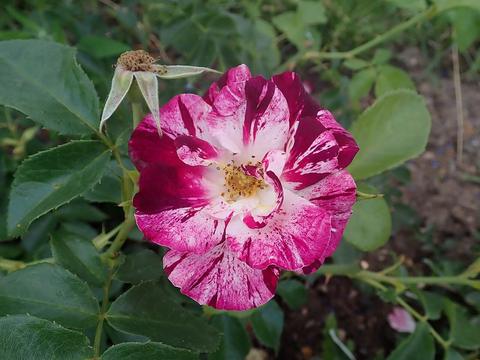
Purple/white striped · repeat-blooming · Zones 5-9
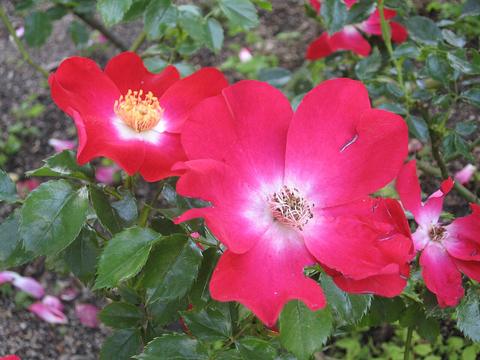
Red/white · repeat-blooming · Zones 4-9
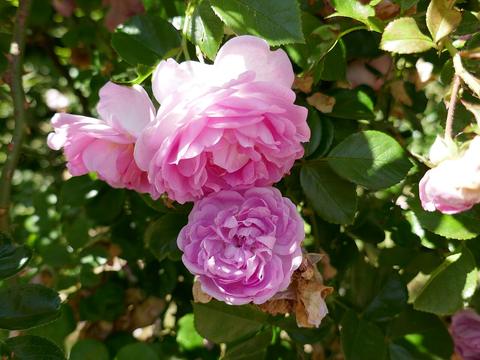
Pink/violet · repeat-blooming · Zones 5-9
White/blush pink · repeat-blooming · Zones 4-9
Yellow/pink/red · repeat-blooming · Zones 3-9
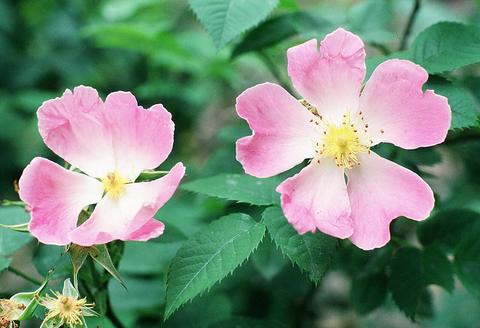
Pink/white · once-blooming · Zones 4-8
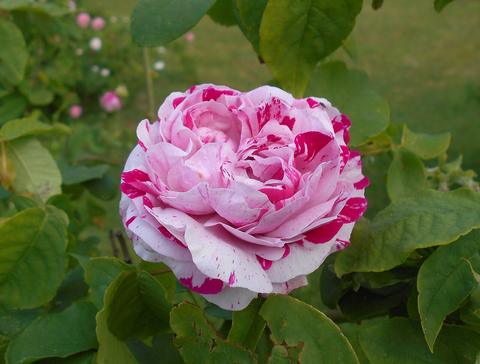
White/crimson striped · repeat-blooming · Zones 5-9
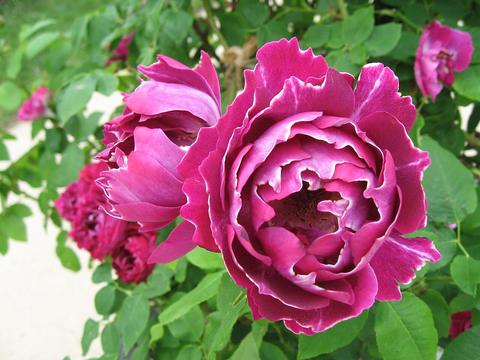
Crimson/white · repeat-blooming · Zones 5-9
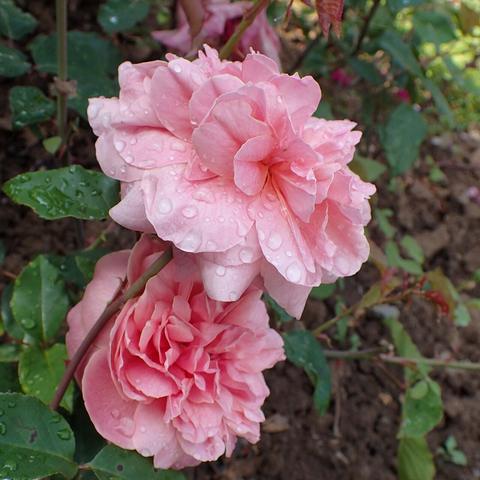
Pink/copper orange · repeat-blooming · Zones 7-10
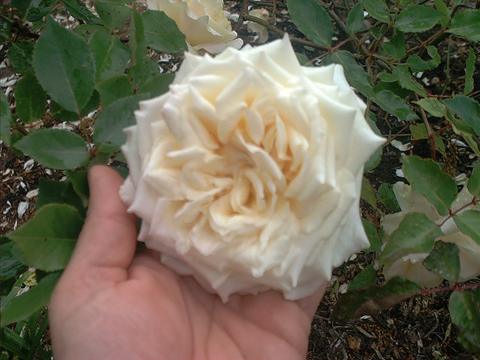
Yellow/pink · repeat-blooming · Zones 7-10