Species
David Thompson
Deep pink · repeat-blooming · Zones 2-8
Extremely hardy Canadian climber.
William Baffin is a climbing rose in deep pink that earns its place through season-long bloom and healthy, easy growth. Below you'll find a full profile of William Baffin — its characteristics, how to grow it, where to use it in the garden, and answers to the questions gardeners ask most.
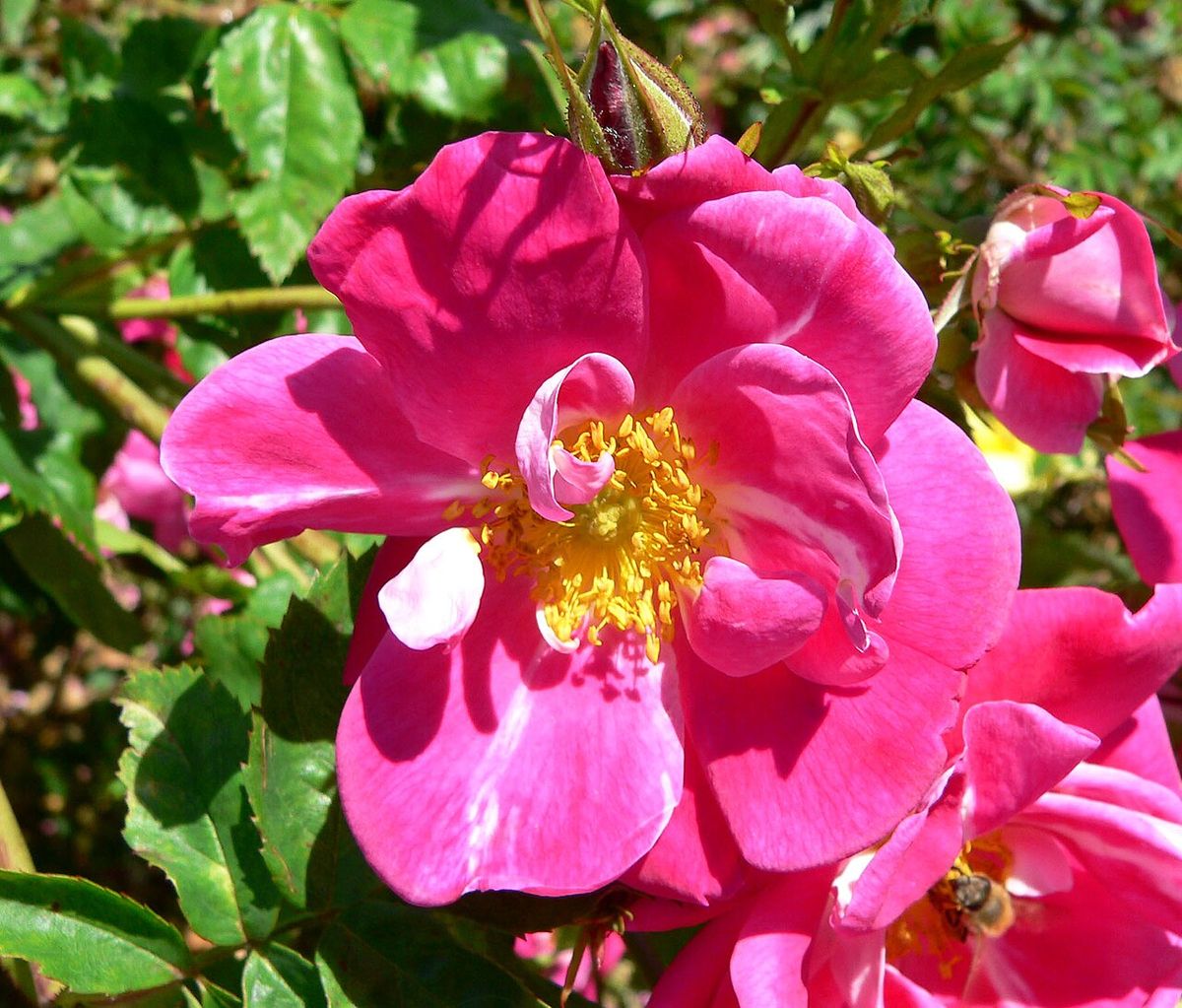
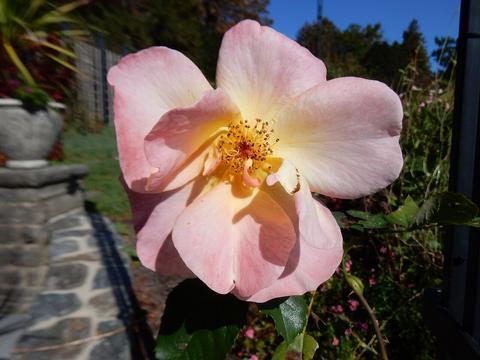
Photo: Stan Shebs (CC BY-SA 3.0) via Wikimedia Commons
Grouped among the climbing roses, William Baffin shows the hallmarks of the class: cupped to full blooms carried singly or in small clusters along the canes. Because climbing roses flower most freely on horizontally trained wood, how you tie in the canes matters as much as feeding or watering.
In flower, William Baffin is deep pink and fills the plant with bloom in wave after wave, carrying a light, pleasant fragrance. It is hardy across USDA zones 3-9, so it suits a wide range of gardens with the right seasonal care.
William Baffin was raised by Felicitas Svejda (Agriculture Canada) in Canada and introduced in 1983. Further reading: William Baffin on Wikipedia.
William Baffin makes a long, arching climbing canes that are tied onto a support, typically around 8 to 15 feet tall and 4 to 8 feet wide. The blooms are cupped to full blooms carried singly or in small clusters along the canes, medium to large in size, set against mid- to deep-green, often glossy foliage. Knowing a rose's habit and mature size is the key to placing it well: give William Baffin room to reach its full spread without crowding its neighbors, which also keeps air moving through the plant and disease at bay.
Plant William Baffin where it will get at least six hours of direct sun a day in fertile, well-drained soil with good air movement around it. In cold climates, set the graft union — the swollen knob where the variety joins the rootstock — at or just below the soil line; in mild climates, keep it at soil level. Once planted, water deeply and less often to encourage deep, drought-resistant roots.
Train William Baffin along a fence, arch, or pergola, tying the canes horizontally to draw flowers from the base to the top. Underplant it with lavender, catmint, or hardy geraniums, or pair it with a summer clematis to share the same support. For more ideas, see our guide to companion plants for roses.
Give climbers good air movement and keep the base clear so foliage dries quickly and black spot is discouraged. Watch for the usual rose troubles — black spot, powdery mildew, and aphids — and head them off with good air flow, base watering, and a tidy autumn clean-up. See our full guide to rose diseases and pests for identification and treatment.
William Baffin has a light, pleasant fragrance; it is grown more for its deep pink color and habit than for perfume.
Yes. William Baffin is a repeat-blooming rose that blooms in repeated flushes from late spring until the first frost, especially if it is deadheaded and fed through the summer.
William Baffin is hardy in USDA zones 3-9. That range describes the winter cold it can survive; gardeners colder than zone 3 should give it winter protection or grow it in a movable container.
Deep pink · repeat-blooming · Zones 2-8
Red · repeat-blooming · Zones 3-9
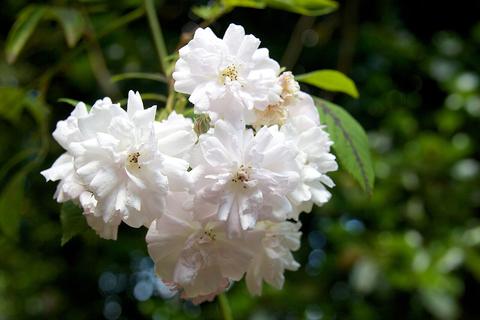
Blush pink · once-blooming · Zones 5-9

Pink/white · once-blooming · Zones 5-9
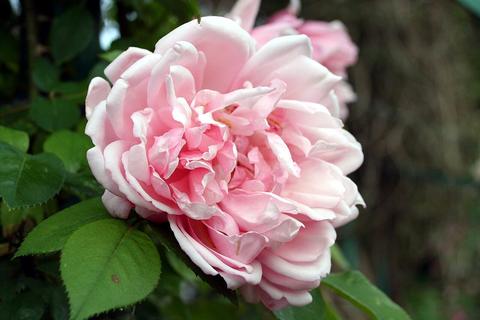
Salmon pink · once-blooming · Zones 5-9
Apricot orange · repeat-blooming · Zones 4-9