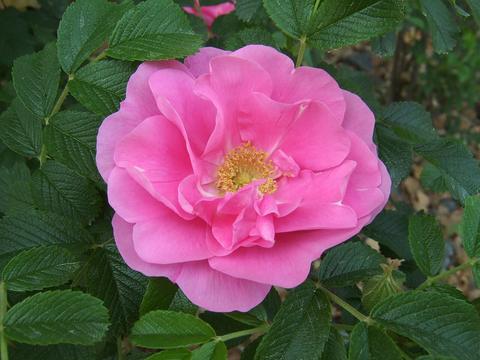
Species
Jens Munk
Pink · repeat-blooming · Zones 2-9
Tall, hardy Explorer shrub with clusters of cupped red blooms.
A red member of the shrub & landscape roses group, Alexander MacKenzie is grown for its long succession of blooms and its resilience in the garden. Below you'll find a full profile of Alexander MacKenzie — its characteristics, how to grow it, where to use it in the garden, and answers to the questions gardeners ask most.
As one of the shrub & landscape roses, Alexander MacKenzie carries the traits gardeners look for in the group — single to double flowers, often borne in clusters. The modern shrub rose is bred for garden performance above all — hardy, healthy, and generous with bloom for very little work.
In flower, Alexander MacKenzie is red and fills the plant with bloom in wave after wave, carrying a light, pleasant fragrance. It is hardy across USDA zones 3-9, so it suits a wide range of gardens with the right seasonal care.
Alexander MacKenzie was raised by Felicitas Svejda (Agriculture Canada) in Canada and introduced in 1985. Further reading: Alexander MacKenzie on Wikipedia.
Alexander MacKenzie makes a rounded, bushy, self-supporting shrub, typically around 3 to 5 feet tall and 3 to 5 feet wide. The blooms are single to double flowers, often borne in clusters, medium in size, set against green and generally healthy foliage. Knowing a rose's habit and mature size is the key to placing it well: give Alexander MacKenzie room to reach its full spread without crowding its neighbors, which also keeps air moving through the plant and disease at bay.
Plant Alexander MacKenzie where it will get at least six hours of direct sun a day in fertile, well-drained soil with good air movement around it. In cold climates, set the graft union — the swollen knob where the variety joins the rootstock — at or just below the soil line; in mild climates, keep it at soil level. Once planted, water deeply and less often to encourage deep, drought-resistant roots.
Alexander MacKenzie suits landscape beds, informal hedges, mixed borders, and mass plantings. Use it as a dependable flowering shrub among perennials and other shrubs. For more ideas, see our guide to companion plants for roses.
Modern shrub roses are bred for strong disease resistance and low maintenance. Watch for the usual rose troubles — black spot, powdery mildew, and aphids — and head them off with good air flow, base watering, and a tidy autumn clean-up. See our full guide to rose diseases and pests for identification and treatment.
Alexander MacKenzie has a light, pleasant fragrance; it is grown more for its red color and habit than for perfume.
Yes. Alexander MacKenzie is a repeat-blooming rose that blooms in repeated flushes from late spring until the first frost, especially if it is deadheaded and fed through the summer.
Alexander MacKenzie is hardy in USDA zones 3-9. That range describes the winter cold it can survive; gardeners colder than zone 3 should give it winter protection or grow it in a movable container.
Pink · repeat-blooming · Zones 2-9
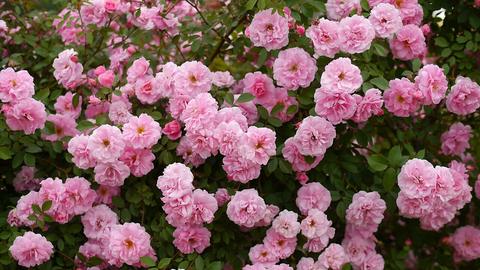
Pink · repeat-blooming · Zones 3-9
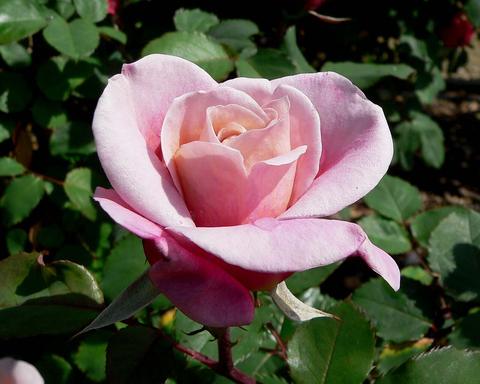
Mauve/tan · repeat-blooming · Zones 4-9
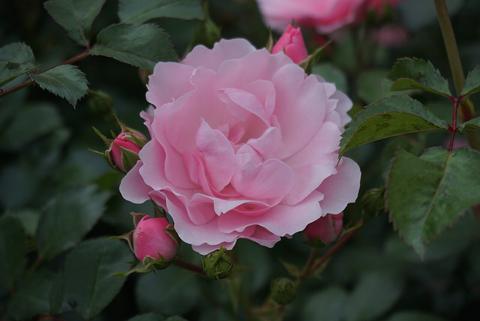
Pink · repeat-blooming · Zones 4-9
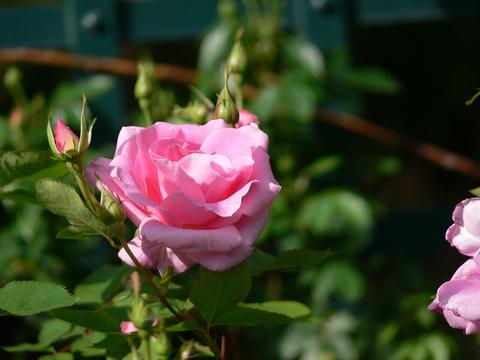
Pink · repeat-blooming · Zones 4-9
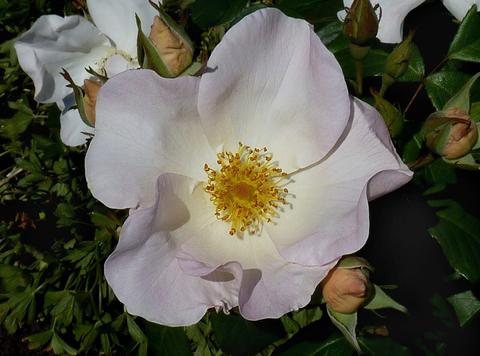
Cream white · repeat-blooming · Zones 5-10