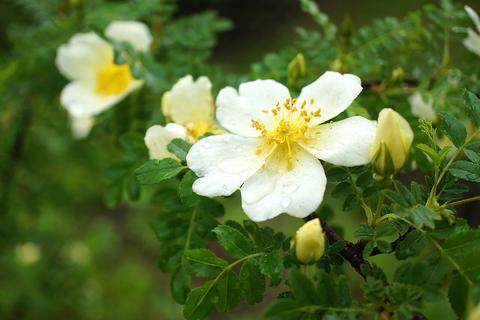
Species
Rosa Primula
Yellow · once-blooming · Zones 4-9
Rosa palustris, a native that tolerates wet soils.
The Swamp Rose is a pink species rose valued for its generous early-summer display and memorable fragrance. Below you'll find a full profile of Swamp Rose — its characteristics, how to grow it, where to use it in the garden, and answers to the questions gardeners ask most.
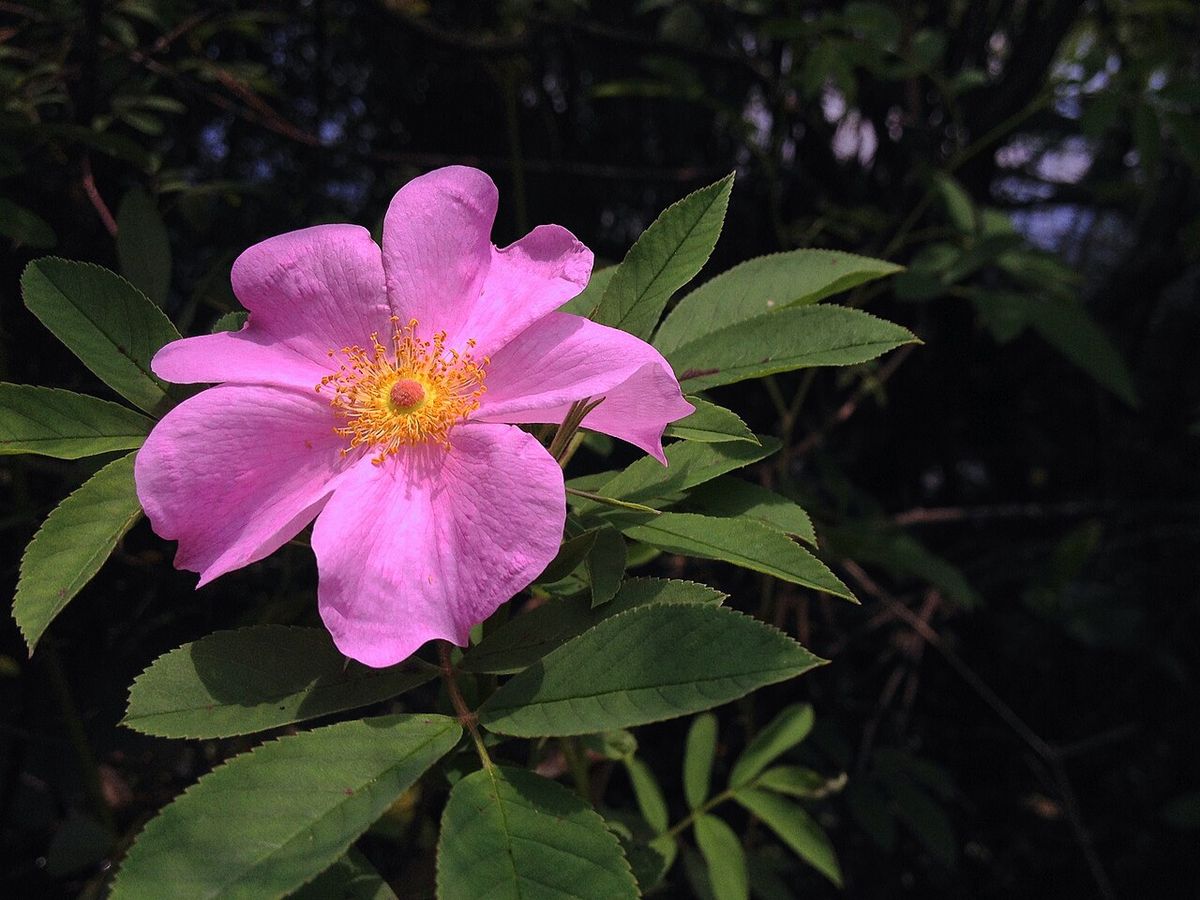
Photo: Fritz Flohr Reynolds (CC BY-SA 2.0) via Wikimedia Commons
Swamp Rose belongs to the species & wild roses, a class defined by simple five-petaled single flowers, usually followed by ornamental hips. As one of the wild ancestors of the garden rose, it trades repeat bloom for toughness, wildlife value, and an easy, natural beauty.
In flower, Swamp Rose is pink and gives one memorable, concentrated display, carrying a moderate, clearly noticeable fragrance. It is hardy across USDA zones 4-9, so it suits a wide range of gardens with the right seasonal care.
Its botanical name is Rosa palustris.
Swamp Rose makes an arching, often large and informal plant, typically around a wide range, roughly 3 to 10 feet tall and wide. The blooms are simple five-petaled single flowers, usually followed by ornamental hips, small to medium in size, set against often distinctive — sometimes ferny or grey-green foliage. Knowing a rose's habit and mature size is the key to placing it well: give Swamp Rose room to reach its full spread without crowding its neighbors, which also keeps air moving through the plant and disease at bay.
Plant Swamp Rose where it will get at least six hours of direct sun a day in fertile, well-drained soil with good air movement around it. In cold climates, set the graft union — the swollen knob where the variety joins the rootstock — at or just below the soil line; in mild climates, keep it at soil level. Once planted, water deeply and less often to encourage deep, drought-resistant roots.
Swamp Rose suits informal hedges, wildlife and naturalistic gardens, and wilder corners of the garden. Let it grow naturally in a hedge or wild planting where its hips and habit can be enjoyed. For more ideas, see our guide to companion plants for roses.
Species roses are typically tough and disease-resistant, asking very little of the gardener. Watch for the usual rose troubles — black spot, powdery mildew, and aphids — and head them off with good air flow, base watering, and a tidy autumn clean-up. See our full guide to rose diseases and pests for identification and treatment.
Yes — Swamp Rose has a moderate, clearly noticeable fragrance, and scent is one of the reasons to grow it.
No. Swamp Rose blooms once, in a single generous flush in early summer, rather than repeating through the season — so enjoy its main display and let it set hips afterward.
Swamp Rose is hardy in USDA zones 4-9. That range describes the winter cold it can survive; gardeners colder than zone 4 should give it winter protection or grow it in a movable container.
Yellow · once-blooming · Zones 4-9
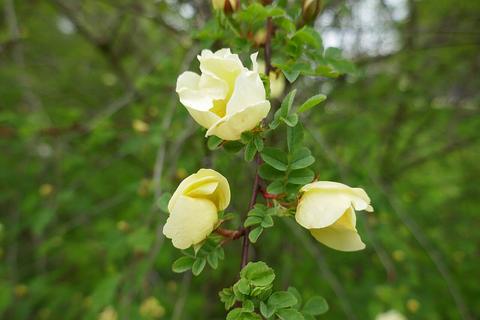
Yellow · once-blooming · Zones 5-8
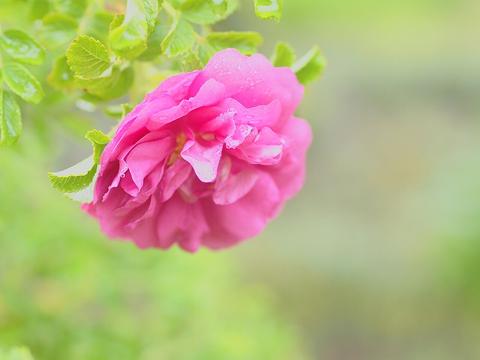
Deep pink · repeat-blooming · Zones 2-8
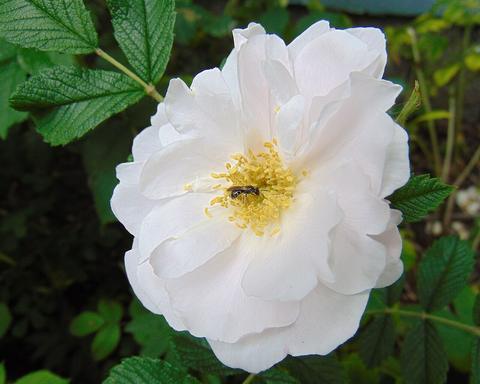
White · repeat-blooming · Zones 2-8
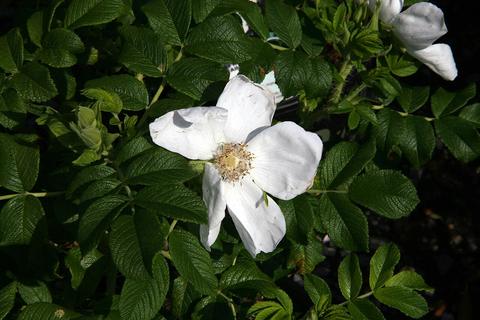
White · repeat-blooming · Zones 2-8
Magenta purple · repeat-blooming · Zones 2-8