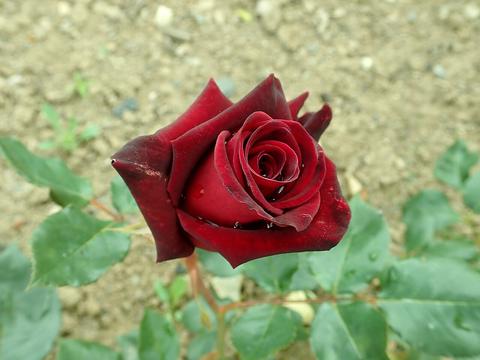
Hybrid Tea
Black Baccara
Burgundy red · repeat-blooming · Zones 6-9
Coral-pink blend, a favorite for cutting.
A pink member of the grandiflora roses group, Sonia is grown for its long succession of blooms and its fragrance. Below you'll find a full profile of Sonia — its characteristics, how to grow it, where to use it in the garden, and answers to the questions gardeners ask most.
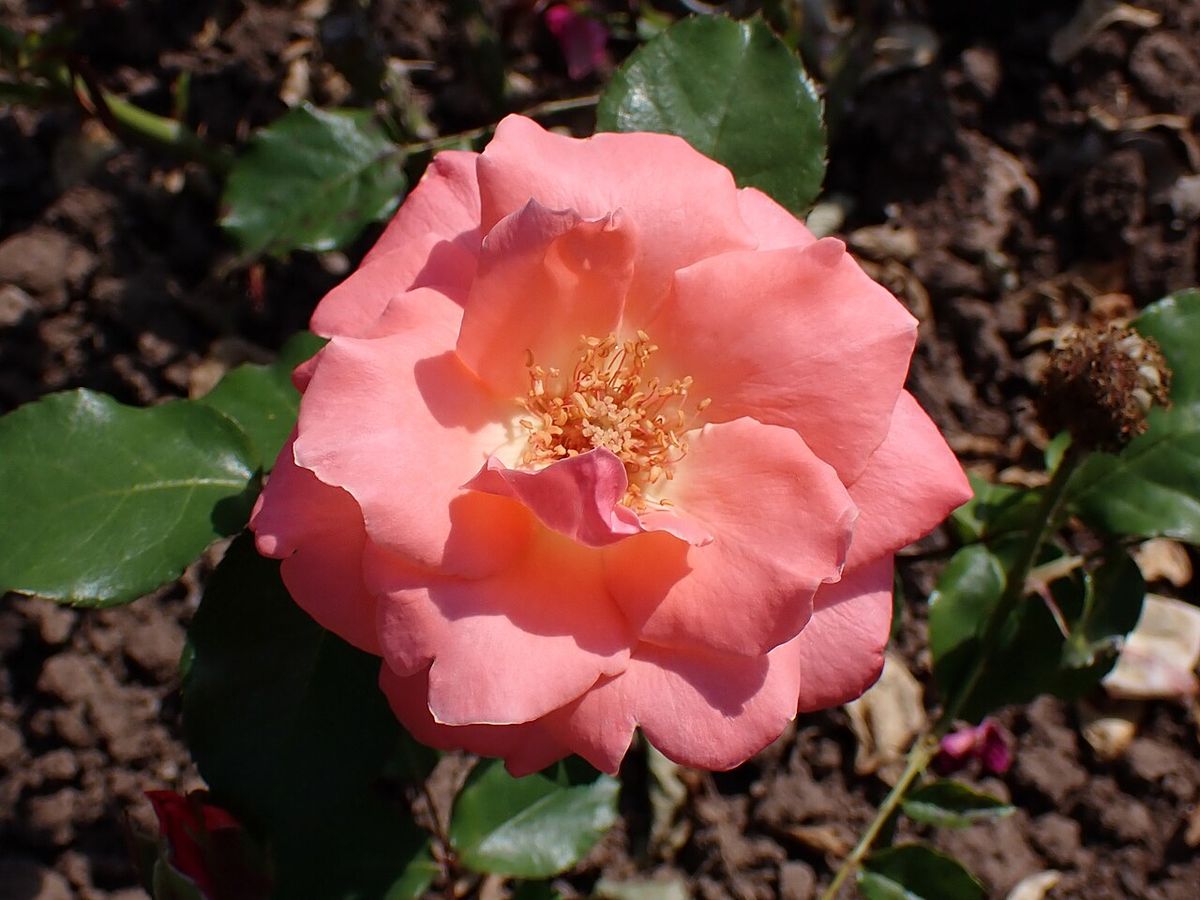
Photo: Krzysztof Ziarnek, Kenraiz (CC BY-SA 4.0) via Wikimedia Commons
As one of the grandiflora roses, Sonia carries the traits gardeners look for in the group — shapely, high-centered blooms in small clusters. Its height and clustered, hybrid-tea-style blooms make the grandiflora a natural choice for the back of a border or a flowering screen.
In flower, Sonia is pink and fills the plant with bloom in wave after wave, carrying a moderate, clearly noticeable fragrance. It is hardy across USDA zones 6-9, so it suits a wide range of gardens with the right seasonal care.
Sonia was raised by Meilland in France and introduced in 1974.
Sonia makes a tall, upright, vigorous bush, typically around 4 to 6 feet tall and 2 to 3 feet wide. The blooms are shapely, high-centered blooms in small clusters, large in size, set against semi-glossy green foliage. Knowing a rose's habit and mature size is the key to placing it well: give Sonia room to reach its full spread without crowding its neighbors, which also keeps air moving through the plant and disease at bay.
Plant Sonia where it will get at least six hours of direct sun a day in fertile, well-drained soil with good air movement around it. In cold climates, set the graft union — the swollen knob where the variety joins the rootstock — at or just below the soil line; in mild climates, keep it at soil level. Once planted, water deeply and less often to encourage deep, drought-resistant roots.
Sonia suits the back of borders, flowering screens, and cutting. Set it at the back of a bed where its height is an asset, fronted by shorter roses or perennials. For more ideas, see our guide to companion plants for roses.
Treat it much like a hybrid tea, watching for black spot in humid climates. Watch for the usual rose troubles — black spot, powdery mildew, and aphids — and head them off with good air flow, base watering, and a tidy autumn clean-up. See our full guide to rose diseases and pests for identification and treatment.
Yes — Sonia has a moderate, clearly noticeable fragrance, and scent is one of the reasons to grow it.
Yes. Sonia is a repeat-blooming rose that blooms in repeated flushes from late spring until the first frost, especially if it is deadheaded and fed through the summer.
Sonia is hardy in USDA zones 6-9. That range describes the winter cold it can survive; gardeners colder than zone 6 should give it winter protection or grow it in a movable container.
Burgundy red · repeat-blooming · Zones 6-9
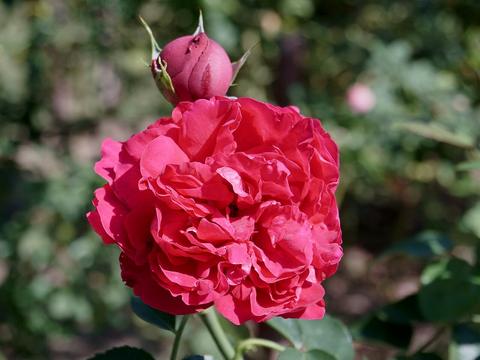
Crimson · repeat-blooming · Zones 5-9
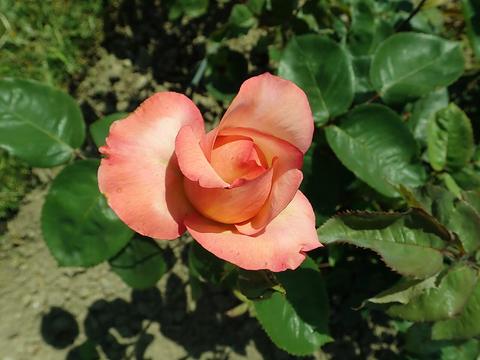
Pink · repeat-blooming · Zones 5-9
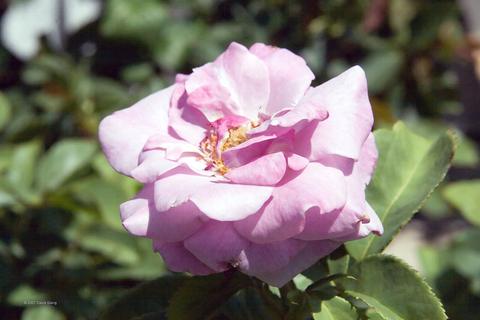
Purple · repeat-blooming · Zones 6-9
Orange · repeat-blooming · Zones 5-9
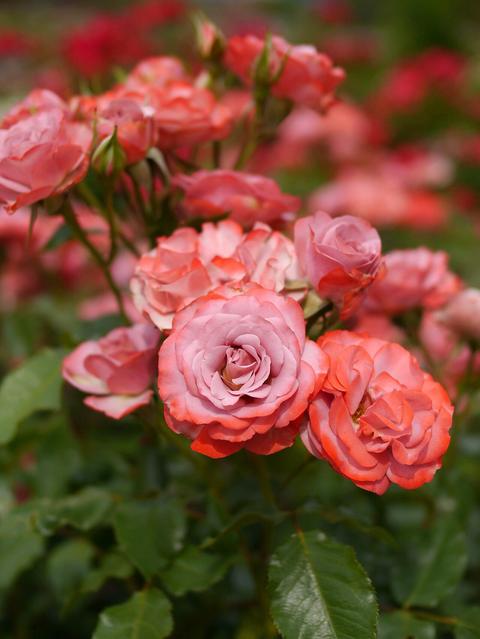
Orange · repeat-blooming · Zones 5-9