Climbing
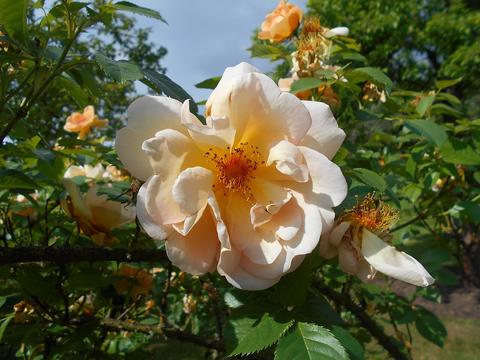
Maigold
Yellow · once-blooming · Zones 4-9
Deep velvety-red, dependable bedding floribunda.
The Lilli Marleen is a red floribunda rose valued for its reliable repeat flowering and clean, dependable habit. Below you'll find a full profile of Lilli Marleen — its characteristics, how to grow it, where to use it in the garden, and answers to the questions gardeners ask most.
Lilli Marleen belongs to the floribunda roses, a class defined by medium blooms carried in large clusters. Where a hybrid tea gives you one perfect flower, a floribunda gives you a whole trussful, which makes it the better choice for sheer garden color.
In flower, Lilli Marleen is red and fills the plant with bloom in wave after wave, carrying a light, pleasant fragrance. It is hardy across USDA zones 5-9, so it suits a wide range of gardens with the right seasonal care.
Lilli Marleen was raised by Kordes in Germany and introduced in 1959.
Lilli Marleen makes a bushy, compact, well-branched plant, typically around 2.5 to 4 feet tall and 2 to 3 feet wide. The blooms are medium blooms carried in large clusters, medium in size, set against glossy green foliage. Knowing a rose's habit and mature size is the key to placing it well: give Lilli Marleen room to reach its full spread without crowding its neighbors, which also keeps air moving through the plant and disease at bay.
Plant Lilli Marleen where it will get at least six hours of direct sun a day in fertile, well-drained soil with good air movement around it. In cold climates, set the graft union — the swollen knob where the variety joins the rootstock — at or just below the soil line; in mild climates, keep it at soil level. Once planted, water deeply and less often to encourage deep, drought-resistant roots.
Lilli Marleen suits bedding, low hedges, mass plantings, and mixed borders. Mass several plants of one variety for a block of color, edged with catmint, salvia, or lavender. For more ideas, see our guide to companion plants for roses.
Floribundas are generally hardier and more disease-tolerant than hybrid teas. Watch for the usual rose troubles — black spot, powdery mildew, and aphids — and head them off with good air flow, base watering, and a tidy autumn clean-up. See our full guide to rose diseases and pests for identification and treatment.
Lilli Marleen has a light, pleasant fragrance; it is grown more for its red color and habit than for perfume.
Yes. Lilli Marleen is a repeat-blooming rose that blooms in repeated flushes from late spring until the first frost, especially if it is deadheaded and fed through the summer.
Lilli Marleen is hardy in USDA zones 5-9. That range describes the winter cold it can survive; gardeners colder than zone 5 should give it winter protection or grow it in a movable container.
Yellow · once-blooming · Zones 4-9
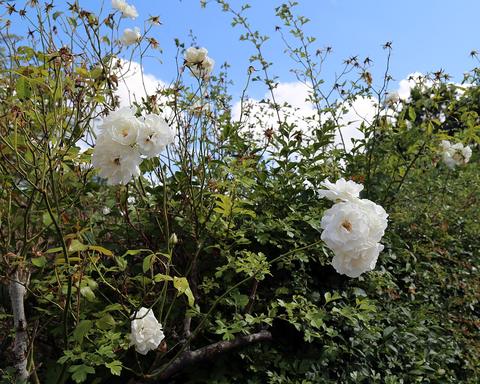
White · repeat-blooming · Zones 5-9
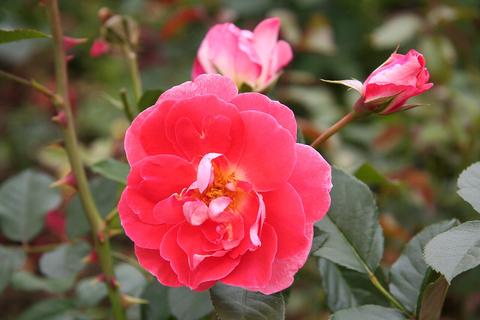
Orange/red · repeat-blooming · Zones 5-9
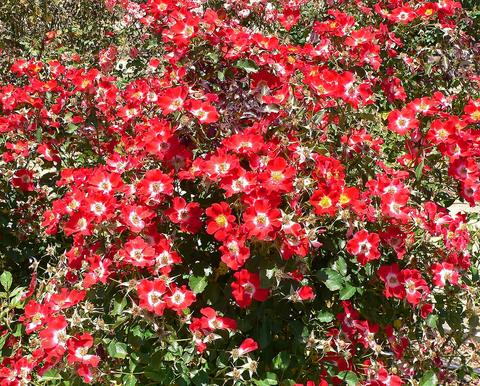
Red/white · repeat-blooming · Zones 5-9
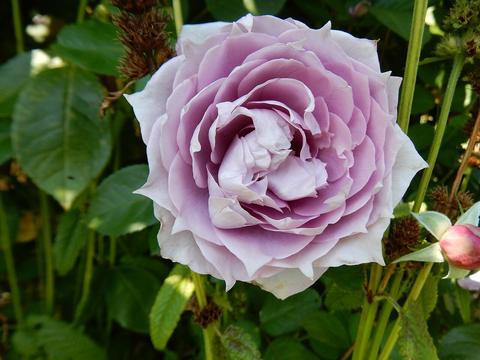
Lavender · repeat-blooming · Zones 5-9
Purple · repeat-blooming · Zones 5-9