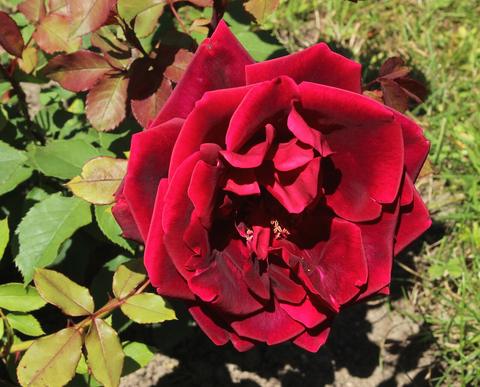
Hybrid Tea
Crimson Glory
Dark red · repeat-blooming · Zones 6-9
W. Kordes' Söhne, founded in 1887 and based in Sparrieshoop in northern Germany, is one of the world's largest rose breeders. Its roses are known above all for winter hardiness and for disease resistance selected without fungicides.
Wilhelm Kordes II set the firm's direction in the 1920s and 1930s by breeding for the cold winters of northern Europe. His work produced Crimson Glory, long the standard for red hybrid teas, and a new group of hardy climbers, the Kordesii hybrids, which later became the foundation of Canada's Explorer roses. Iceberg, introduced by Reimer Kordes in 1958, remains one of the most planted roses in the world.
In the 1990s, Kordes stopped applying fungicides to its seedling trial fields. Any seedling that could not stay healthy on its own was discarded. The roses that came out of that decision win a large share of the awards in Germany's ADR trial, a demanding three-year test run without any pesticides.
For American gardeners, this makes recent Kordes roses a strong choice in humid climates. Look for the Sunbelt series, selected for heat, and the Arborose climbers, which include Florentina and Laguna.
Dark red · repeat-blooming · Zones 6-9
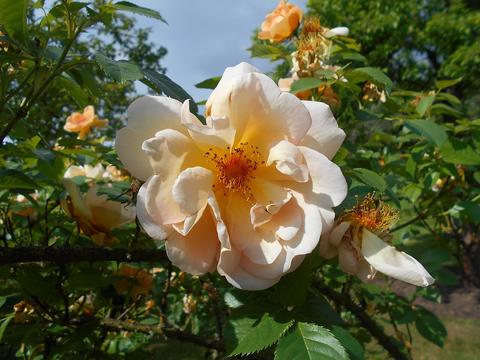
Yellow · once-blooming · Zones 4-9
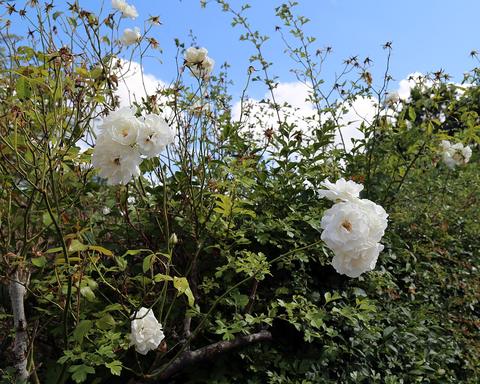
White · repeat-blooming · Zones 5-9
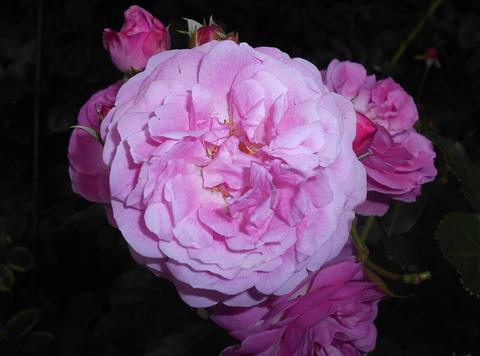
Pink · repeat-blooming · Zones 5-9
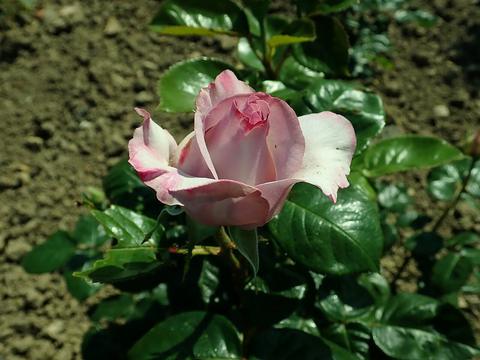
Mauve · repeat-blooming · Zones 6-9
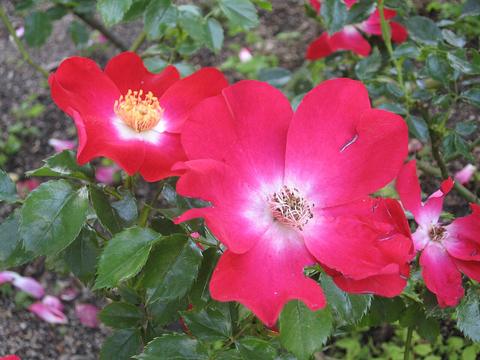
Red/white · repeat-blooming · Zones 4-9
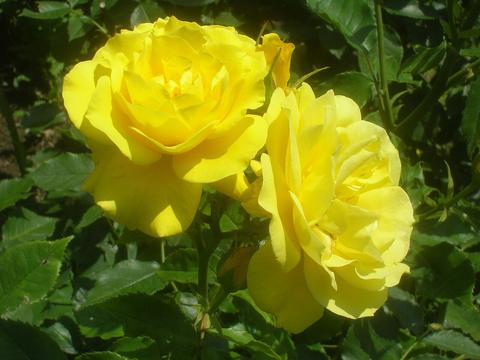
Yellow · repeat-blooming · Zones 5-9
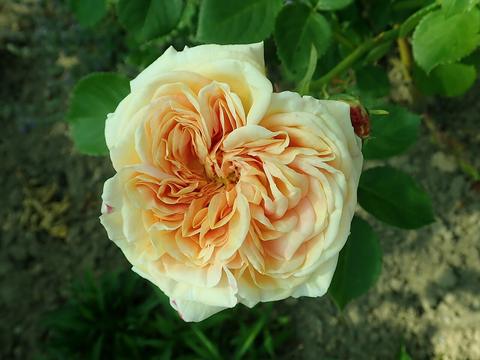
Apricot yellow · once-blooming · Zones 5-9
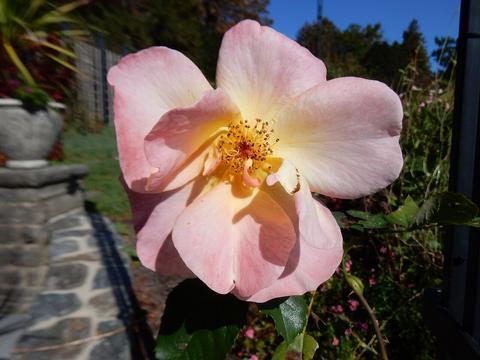
Apricot orange · repeat-blooming · Zones 4-9
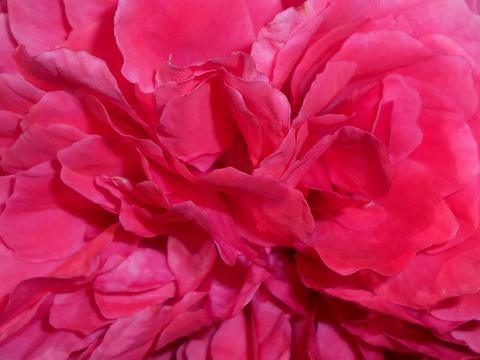
Deep pink · repeat-blooming · Zones 5-9
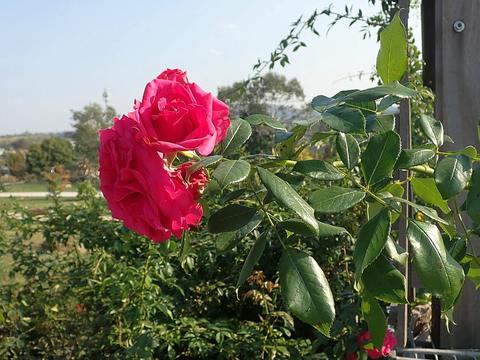
Deep pink · repeat-blooming · Zones 5-9
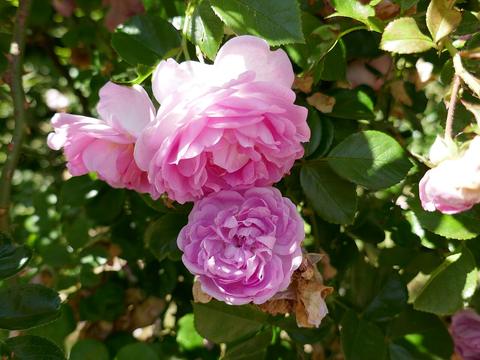
Pink/violet · repeat-blooming · Zones 5-9
| Rose | Class | Color | Bloom | Fragrance | Zones | Introduced |
|---|---|---|---|---|---|---|
| Crimson Glory | Hybrid Tea | Dark red | Repeat | Strong | 6-9 | 1935 |
| Maigold | Climbing | Yellow | Once | Strong | 4-9 | 1953 |
| Dortmund | Climbing | Red/white | Repeat | Mild | 4-9 | 1955 |
| Alchymist | Climbing | Apricot yellow | Once | Strong | 5-9 | 1956 |
| Iceberg | Floribunda | White | Repeat | Mild | 5-9 | 1958 |
| Lilli Marleen | Floribunda | Red | Repeat | Mild | 5-9 | 1959 |
| Lavender Lassie | Shrub | Pink | Repeat | Strong | 5-9 | 1960 |
| Blue Girl | Hybrid Tea | Mauve | Repeat | Moderate | 6-9 | 1964 |
| Westerland | Climbing | Apricot orange | Repeat | Strong | 4-9 | 1969 |
| Sunsprite | Floribunda | Yellow | Repeat | Strong | 5-9 | 1973 |
| Rosarium Uetersen | Climbing | Deep pink | Repeat | Moderate | 5-9 | 1977 |
| Laguna | Climbing | Deep pink | Repeat | Strong | 5-9 | 2004 |
| Jasmina | Climbing | Pink/violet | Repeat | Moderate | 5-9 | 2005 |
| Florentina | Climbing | Red | Repeat | Mild | 5-9 | 2011 |