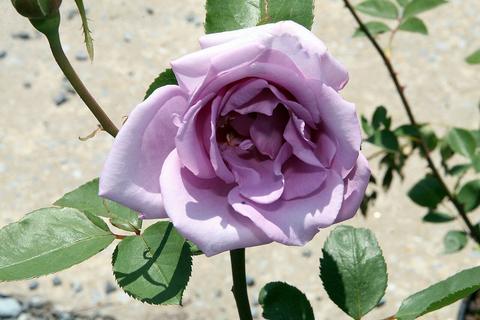
Hybrid Tea
Sterling Silver
Lavender · repeat-blooming · Zones 6-9
Purple, lavender, and mauve roses are the closest a rose comes to blue. They include silvery lilac hybrid teas, deep plum floribundas, and old gallicas that age to violet and gray. Many are strongly fragrant.
No. Roses lack the pigment that makes flowers blue. The roses sold as "blue," such as Blue Moon and Blue Girl, are lavender. See do blue roses exist.
Lavender and mauve roses are modern. The color became available in the 1940s and 1950s, with Sterling Silver, introduced in 1957, the first to become famous. These roses are silvery lilac, often with a strong, sweet, citrus-like scent. Angel Face, Neptune, and Blue Moon belong here.
Deep purple and violet roses come from two sources. The old European roses, especially gallicas such as Cardinal de Richelieu and the moss rose William Lobb, open crimson-purple and age to violet and slate. Recent floribundas such as Ebb Tide and Twilight Zone bring the same deep plum to repeat-flowering plants.
Color in this group is sensitive to weather. Heat and strong sun push lavender toward pink and make deep purples look magenta. Cool nights bring out the blue tones. For the truest color, plant where the rose gets morning sun and afternoon shade.
Lavender hybrid teas have a reputation for being less vigorous and more prone to disease than other colors. The newer varieties are much improved; if an old one such as Sterling Silver struggles, try Neptune or Love Song.
Lavender roses look best with silver foliage, white flowers, and pale yellow. Deep purples are striking with apricot and orange.
Lavender roses stand for enchantment. See rose colors and their meanings.
Lavender · repeat-blooming · Zones 6-9
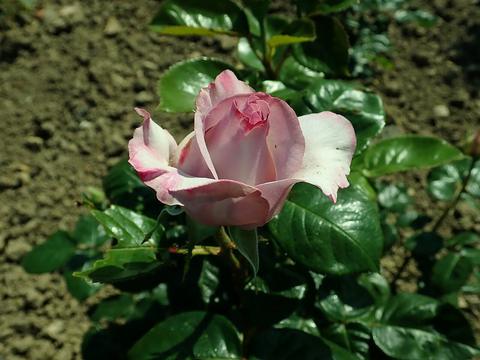
Mauve · repeat-blooming · Zones 6-9
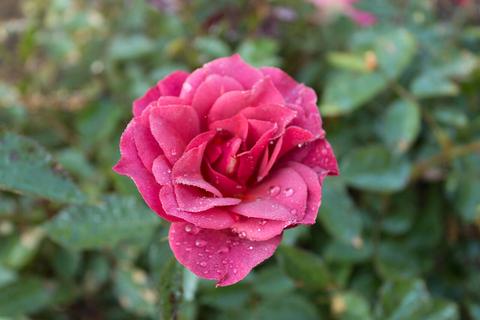
Rusty red/lavender · repeat-blooming · Zones 5-9
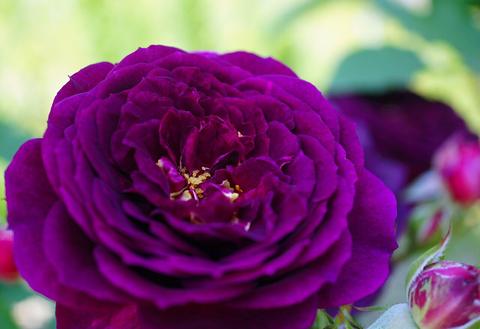
Deep purple · repeat-blooming · Zones 5-9
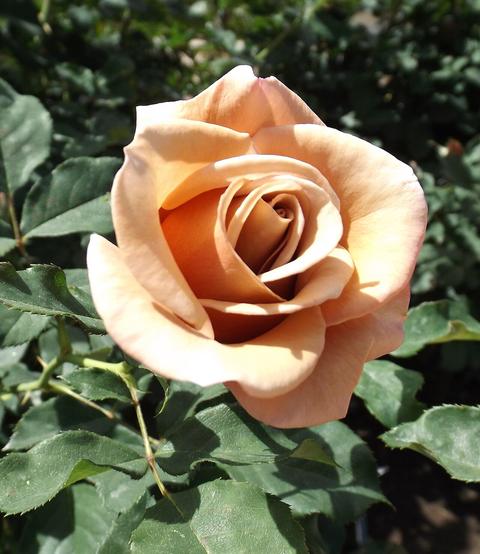
Mocha/lavender · repeat-blooming · Zones 5-9
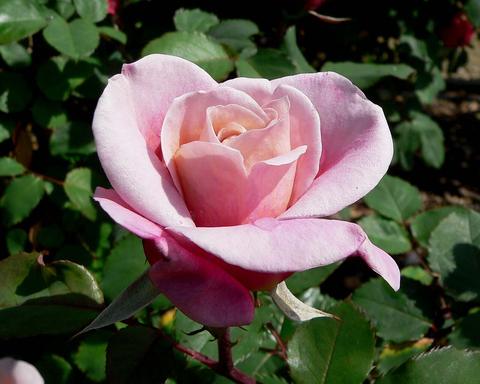
Mauve/tan · repeat-blooming · Zones 4-9
Lavender · repeat-blooming · Zones 5-9
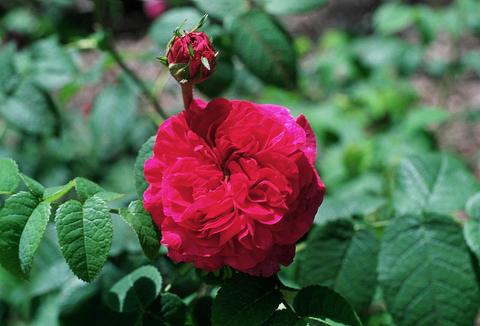
Crimson purple · once-blooming · Zones 4-8
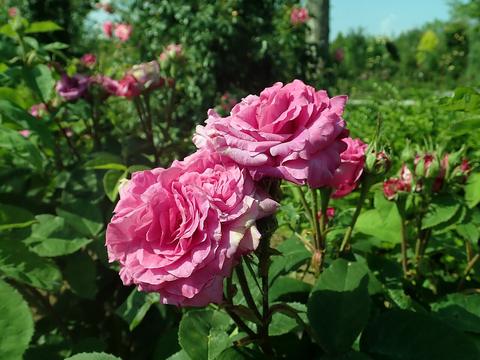
Violet · repeat-blooming · Zones 5-9
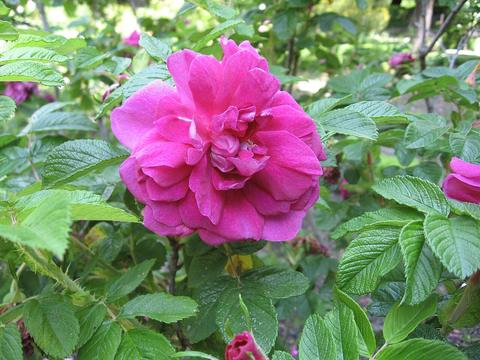
Mauve purple · repeat-blooming · Zones 3-9
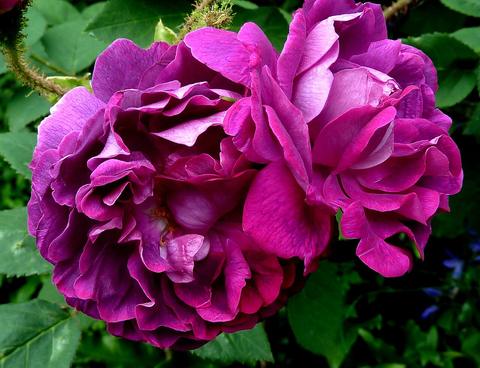
Magenta purple · once-blooming · Zones 5-9
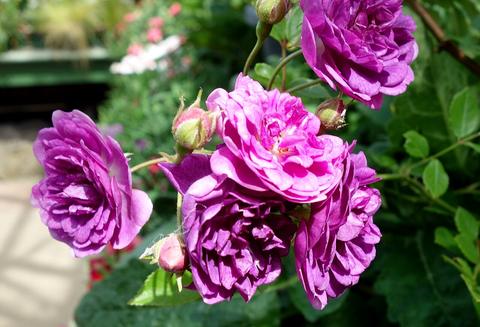
Purple · repeat-blooming · Zones 5-9
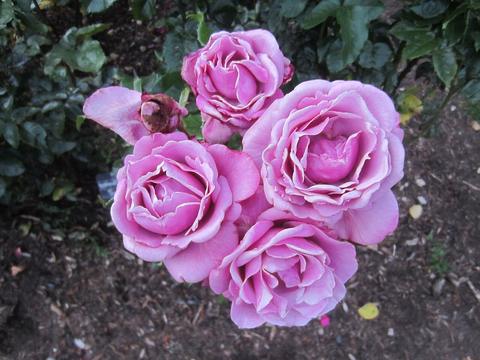
Mauve · repeat-blooming · Zones 6-9
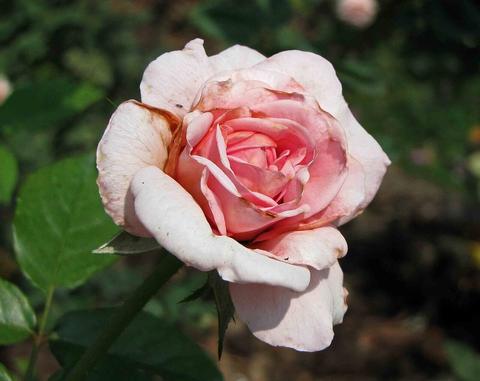
Lavender · repeat-blooming · Zones 5-9
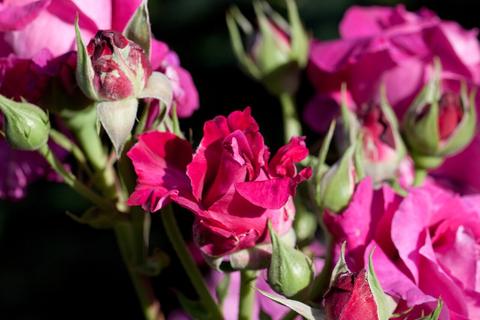
Deep purple · repeat-blooming · Zones 5-9
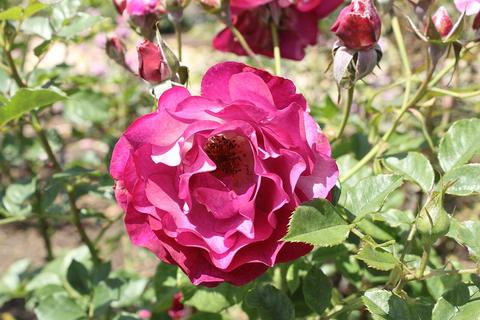
Purple · repeat-blooming · Zones 6-9
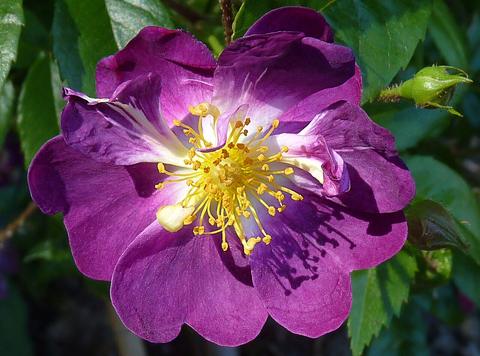
Violet · once-blooming · Zones 5-9
Mauve · repeat-blooming · Zones 5-9
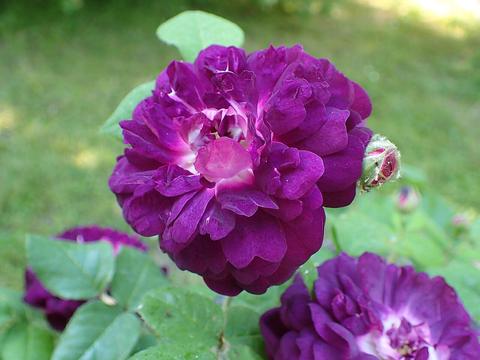
Purple · once-blooming · Zones 4-8
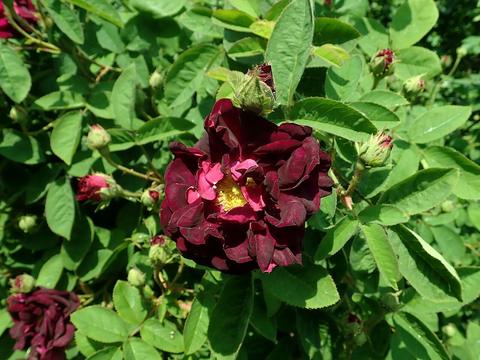
Crimson purple · once-blooming · Zones 4-8
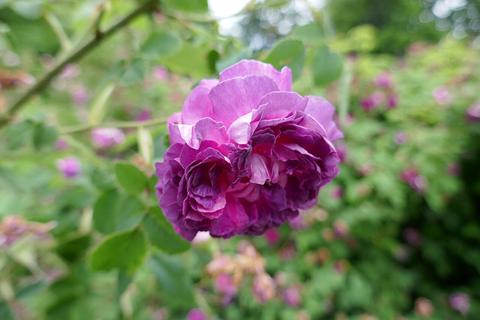
Mauve · once-blooming · Zones 4-8
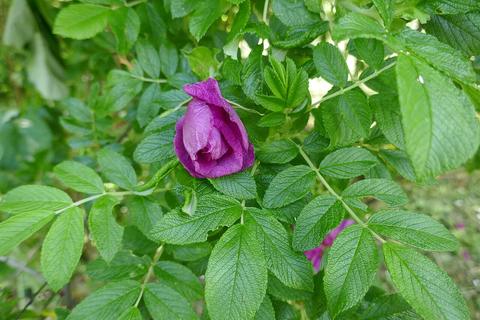
Magenta purple · repeat-blooming · Zones 3-9
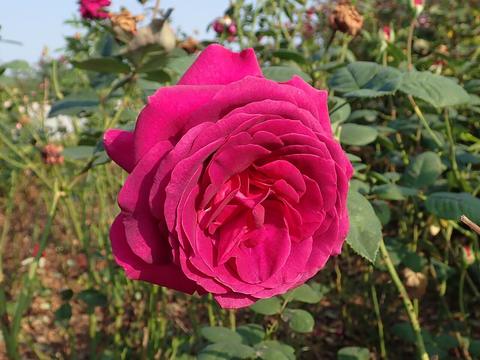
Purple · repeat-blooming · Zones 6-9
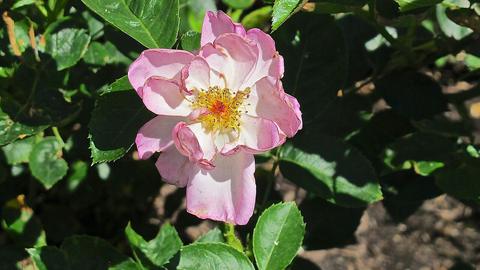
Mauve · repeat-blooming · Zones 5-9
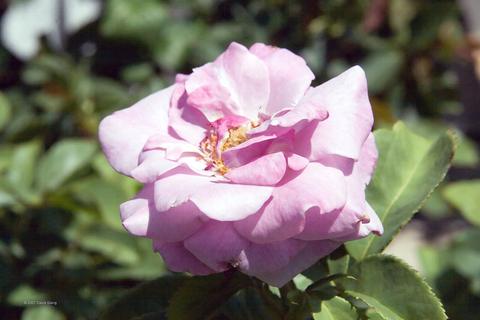
Purple · repeat-blooming · Zones 6-9
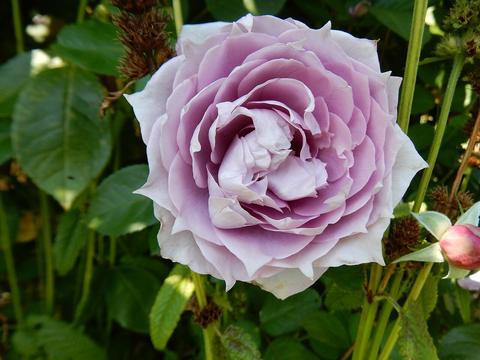
Lavender · repeat-blooming · Zones 5-9
Purple · repeat-blooming · Zones 5-9
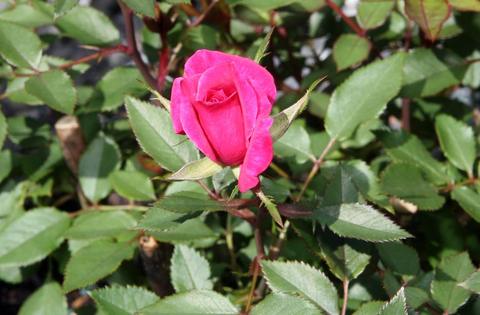
Mauve · repeat-blooming · Zones 5-9
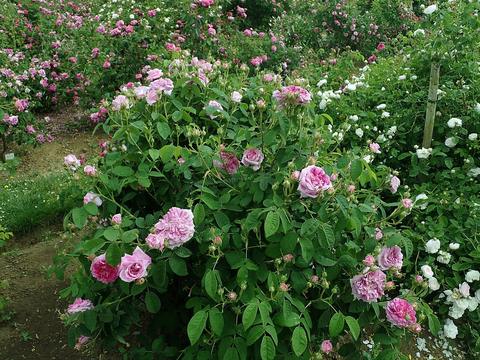
Mauve · once-blooming · Zones 4-8
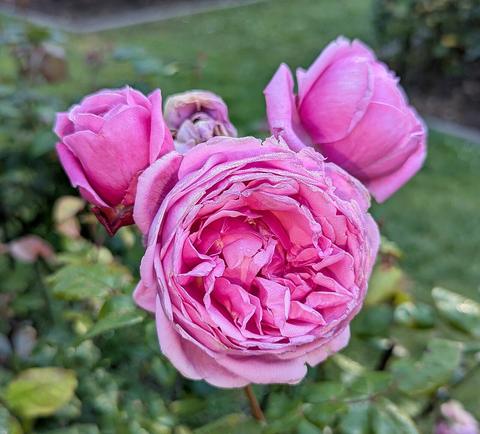
Magenta purple · repeat-blooming · Zones 5-10
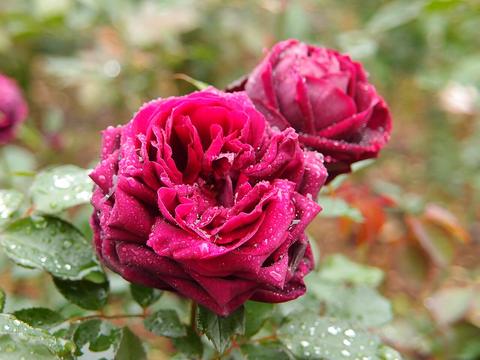
Crimson purple · repeat-blooming · Zones 5-10
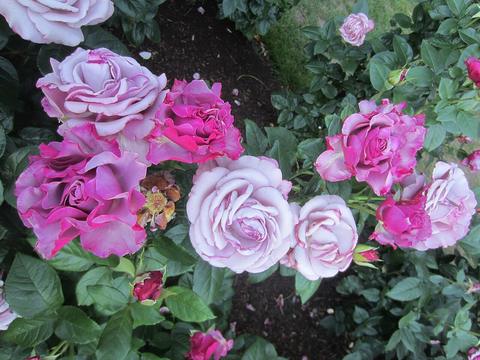
Lavender · repeat-blooming · Zones 6-9
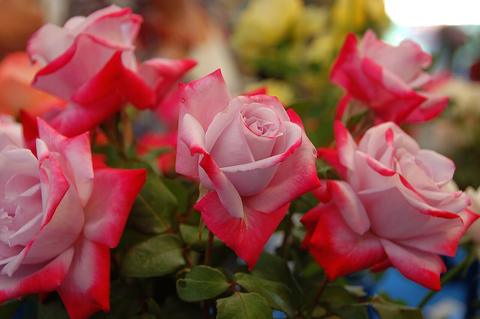
Lavender/pink · repeat-blooming · Zones 6-9
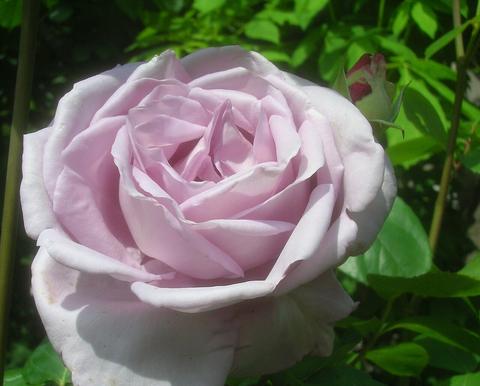
Lavender · repeat-blooming · Zones 6-9
Lavender · repeat-blooming · Zones 6-9
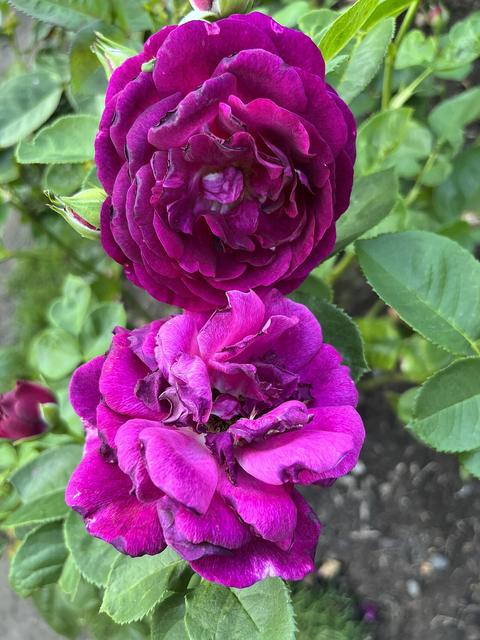
Deep purple · repeat-blooming · Zones 5-9
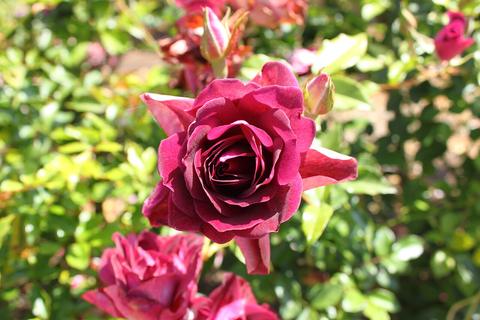
Lavender · repeat-blooming · Zones 6-9
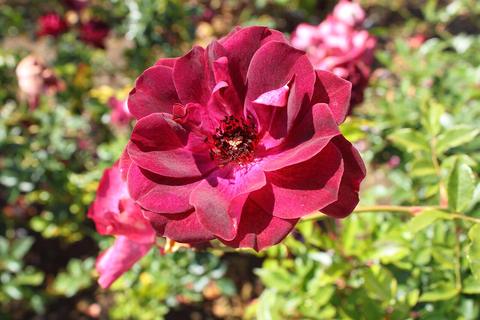
Burgundy purple · repeat-blooming · Zones 5-9
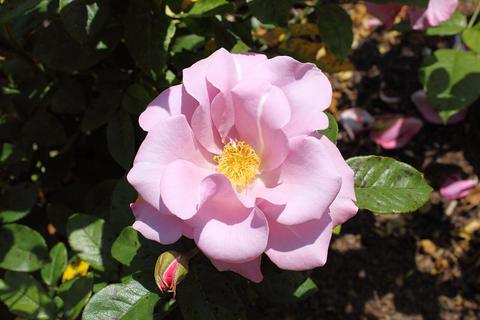
Lavender · repeat-blooming · Zones 5-9
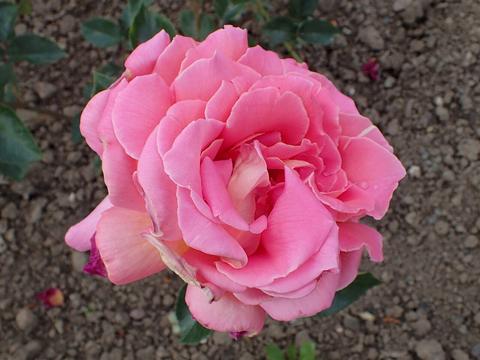
Lavender · repeat-blooming · Zones 5-9
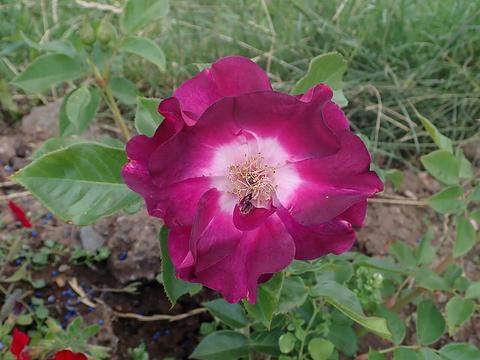
Purple · repeat-blooming · Zones 5-9
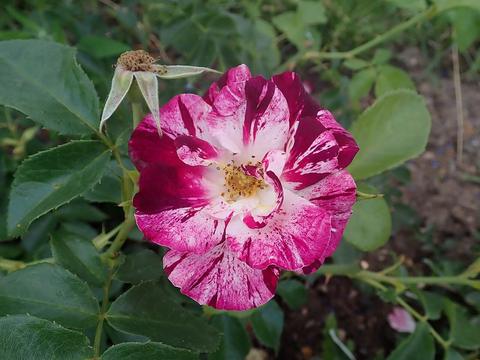
Purple/white striped · repeat-blooming · Zones 5-9
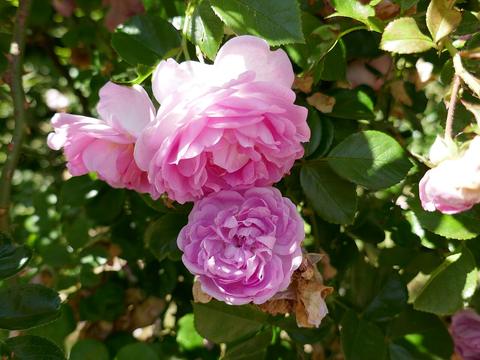
Pink/violet · repeat-blooming · Zones 5-9
Magenta purple · repeat-blooming · Zones 2-8
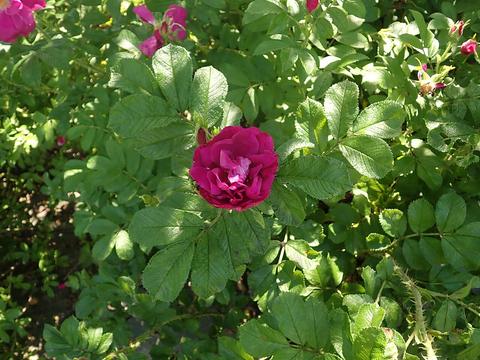
Purple crimson · repeat-blooming · Zones 3-8
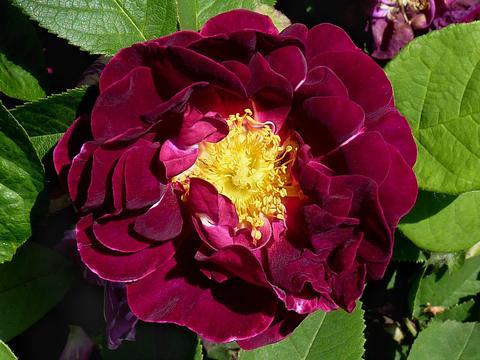
Crimson purple · once-blooming · Zones 4-8